
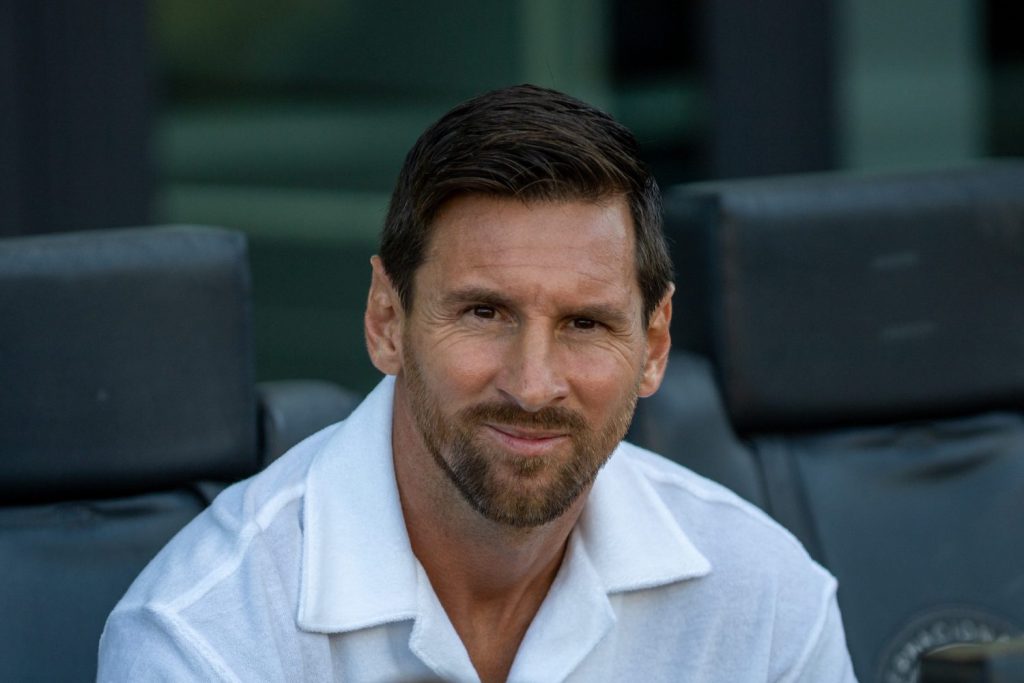
It was only a matter of time, just waiting was needed. And the moment has arrived: Lionel Messi has officially become the owner of a football club. It is UE Cornellà, which represents the Catalan municipality of Cornellà de Llobregat (92,000 inhabitants according to the latest census) and currently competes in the Tercera Federación, the fifth division of the Spanish football pyramid. The official website of the club, founded in 1951 and which played in the third division from 2015 to 2024, announced the closure of the deal with an official statement specifying how this new adventure “strengthens the ties of the Argentine superstar with the community of Barcelona and Catalonia, connecting him to one of the teams with the greatest tradition in Catalan football and at the national level, especially for its solid youth sector.”
These words are not an exaggeration: Cornellà, in its history, has welcomed and nurtured players like David Raya (the current goalkeeper of Arsenal), Jordi Alba, Gerard Martín, Keita Baldé, and many others. And Messi’s declared goal will be precisely to nurture the club’s great youth tradition: in the official note from Cornellà, it states that “Messi’s project is based on a long-term vision and a strategic plan that combines ambition, sustainability, and a strong connection to its local roots.”
The statement does not specify the number of shares acquired by Messi, who in any case joins a truly crowded club: that of famous players who have decided to invest in football clubs – often even before announcing their retirement. In this sense, just think of the cases of Cristiano Ronaldo (who a few weeks ago became a co-owner of Almería), Luka Modric (investor in Swansea), Gerard Piqué (president of Andorra FC), Kylian Mbappé (majority shareholder of Caen), Ronaldo the Phenomenon (who led Cruzeiro and Real Valladolid), Vinícius Júnior (co-owner of Alverca), and many others. Up to obviously David Beckham, one of the owners of Inter Miami: the team where Messi plays. The trend is clear and transversal: the entry of a famous player into the ownership group of a club is a process that effectively has no downsides, as the club/team gains visibility, thus increasing commercial appeal; at the same time, the player diversifies their investments, creates a new role, and can thus increase their know-how – and therefore their influence – in the world of football. In Messi’s case, it is clear that there was no need for it. But Leo, evidently, did not think so.