
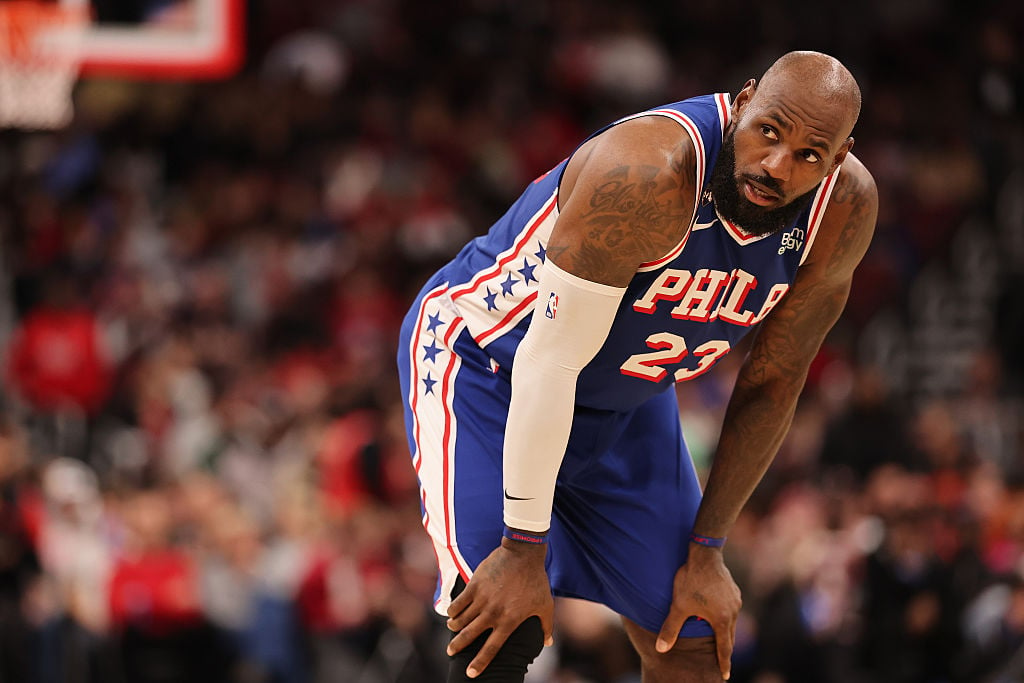
Imagine being LeBron James. You wake up one morning, open social media and find it awash with a virtual version of yourself, appearing in AI-generated videos to recommend or warn against particular sports bets. You probably wouldn’t be best pleased. Nor was the real LeBron, who wasted little time in considering legal action after discovering Bron AI, an AI agent that bears more than a passing resemblance to The King – the same features, the same jersey number – and impersonates him in the murky world of sports betting.
James’s lawyers subsequently issued a formal cease-and-desist notice over the unauthorised use of his name and likeness. There is a particular complication: for an active NBA player such as LeBron, any association with basketball betting would constitute a serious breach of league rules. Legal action is therefore not simply a matter of protecting his image; it also makes his position on betting absolutely clear. One video featuring the virtual James has already attracted more than 900,000 views on X, trading on his name alone. At the time of writing, the video has been removed from X but remains available on Instagram.
Bron AI brings together data and odds from a range of sporting events, helping users navigate the betting market. It offers an overview of potential opportunities, but one that comes with obvious risks for professional and compulsive gamblers alike. The distinction is worth making because the real LeBron has an exclusive, entirely legitimate partnership with Polymarket, the world’s largest prediction market platform, which operates using cryptocurrency. His lawyers have been equally clear on another point: “He is not affiliated with any tool that misappropriates his likeness.”
The cease-and-desist letter demands that Bron AI “immediately and permanently cease all use of James’s name and likeness in any form, including for advertising purposes”. It was sent to PlayVision Inc., the company founded in 2025 believed to be behind the creation of Bron AI. James is the highest-profile name caught up in this latest wave of AI impersonation, but hardly the only one. Dillon Brooks, Donovan Mitchell, Luka Doncic and Giannis Antetokounmpo are facing similar problems, as are Christian McCaffrey and Jayden Daniels, extending the issue beyond the NBA and into the NFL. For James, the issue goes beyond a single video or a misleading online persona. His response draws a line against the growing use of AI-generated likenesses in marketing, particularly when that use crosses into outright illegality. Even LeBron James is not fair game.