
The NCAA is draining the youth sectors of European basketball: it is a situation linked to the introduction of NIL, the agreement that allows players in the NCAA (short for National College Athletic Association, the league that oversees college basketball in the United States) to receive extra compensation from third parties (essentially sponsors and companies) has changed the landscape of global sports. After such a revolution, it took four seasons to set boundaries around a series of gray areas that had emerged around the various commercial collaborations of athletes. In June of last year, Judge Claudia Wilken approved the agreement between the NCAA, its most powerful conferences, and the lawyers representing all Division I athletes regarding direct payments from universities. The annual cap started at about 20.5 million dollars in 2025-26 but is expected to increase each year during the duration of the agreement. These payments are in addition to scholarships and other benefits already received by students.
And so, attracted by these new possibilities, this year some players have received salaries exceeding four million dollars. The NCAA has effectively become a competitor to the NBA, Euroleague, and national leagues. Just to put some numbers out there: the budget for the roster of Michigan, which reached the Final Four, was about ten million dollars, eleven less than the estimated revenues (21 million). A figure higher than an average Euroleague team, for instance. But Michigan is not even the university that spends and earns the most: that title goes to Duke, which operates with about 45 million dollars a year. Even NBA coaches have noticed the money circulating around college basketball, to the point that Mike Malone, NBA champion coach with Denver in 2023, signed with North Carolina last month.
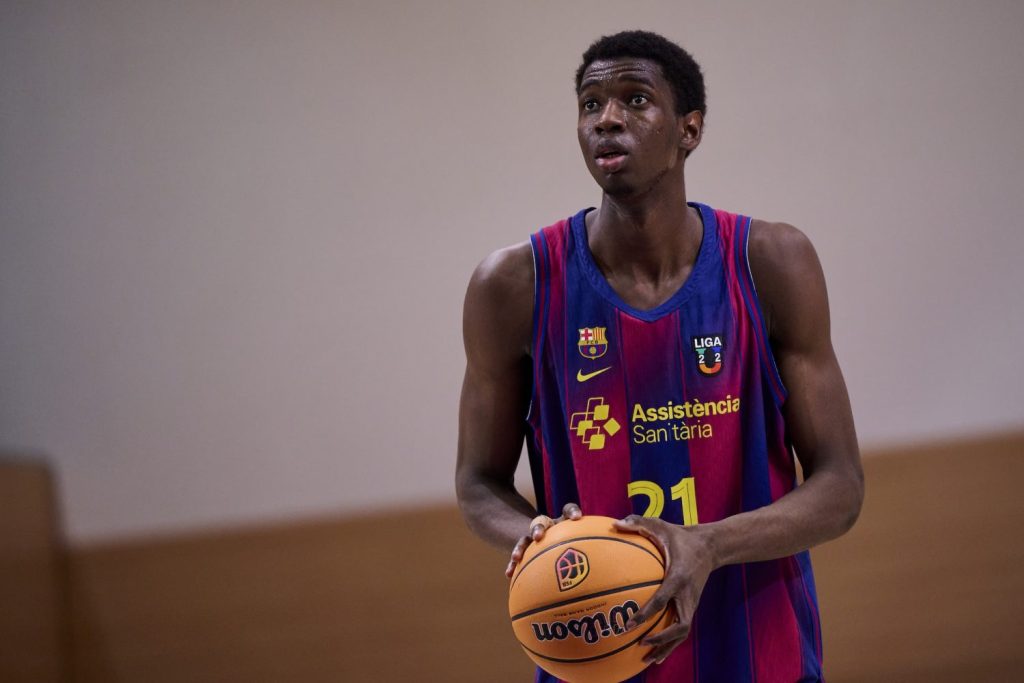
It is therefore normal that for players – especially the younger ones – the NCAA is a new paradise, both economically and technically. There are 22 Italian boys in the league. The most important is Dame Sarr, who wears the Duke jersey, after growing up in the youth sector of Bassano first and then Barcelona. In Spain, especially in Catalonia, they are very worried. The blaugrana youth academy, probably the best in Europe, has had to face a significant diaspora in recent months: “We are all looking for an answer, all of Europe is looking for it. And, at the moment, we can’t find it,” said Barça Atletic coach Xavi Pascual recently. The coach of the club’s second team addressed the issue in light of the recent departures of Sayon Keita and Boumtje Boumtje, who also ended up in the NCAA.
Barcelona has been one of the most penalized by this trend: “The contracts they offer are incredible and it is very difficult to compete,” Pascual explained. “Basketball is the only club sport where, at this moment, it is complicated to promote young players and maintain the identity of La Masia.” Pascual emphasized how the problem also concerns younger and younger players: “Now it is very difficult: 16-year-old boys can leave at any moment, and this makes everything more complicated.” In recent months, Barça has seen some of its best prospects leave, including Kasparas Jakucionis, Raúl Villar, Arturas Butajevas, in addition to the aforementioned Keita and Boumtje, many of whom were already integrated into the first team and sold without a real economic return. “It is a situation that puts all of European basketball in difficulty,” Pascual admitted. Despite this, the blaugrana coach indicated what the minimum goal of clubs should be in managing young talents: “We must ensure that the boys leave satisfied with the time spent here and that, one day, they want to return. This is something we must do well.”