
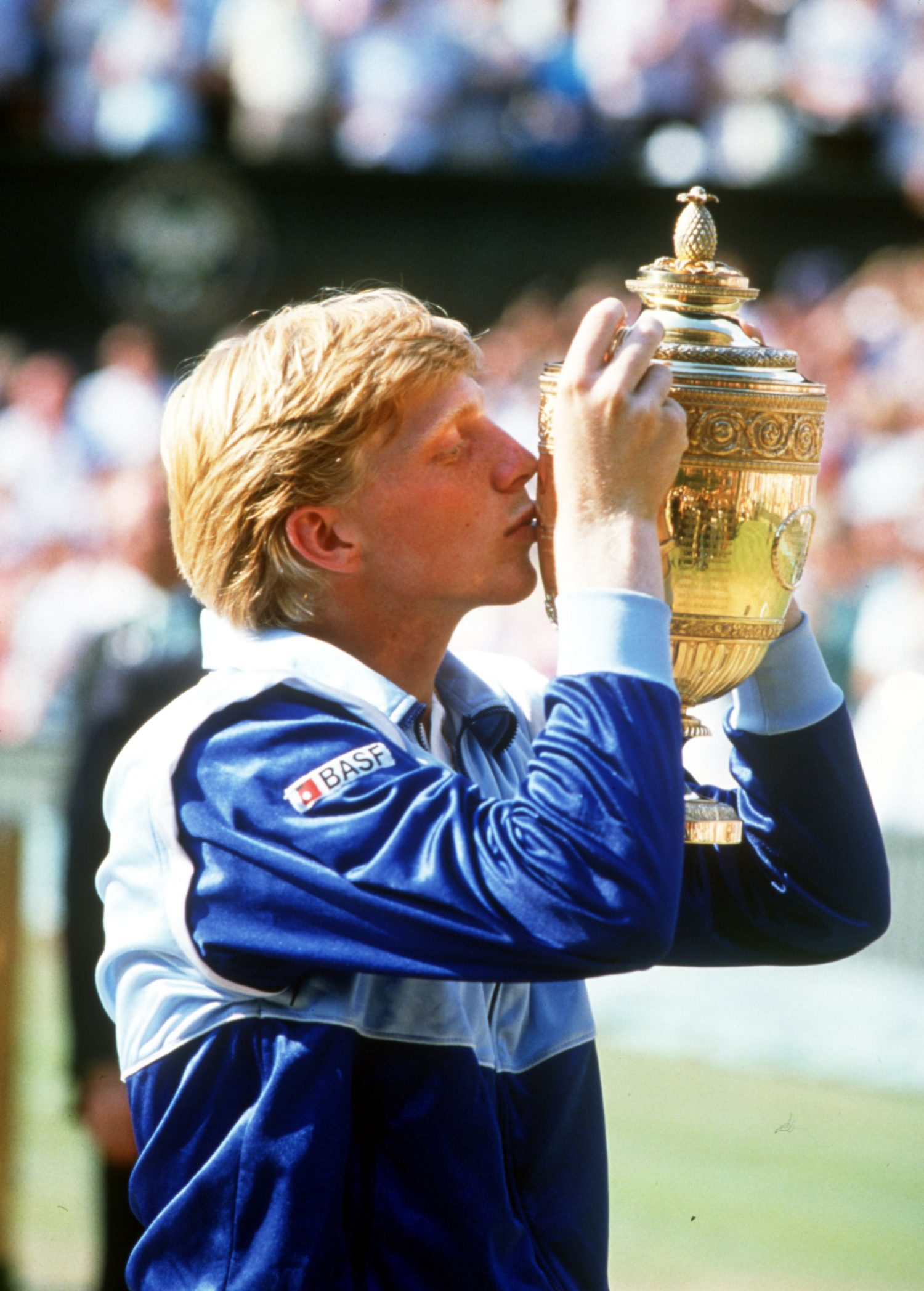
7 July 1985, Wimbledon. Boris Becker is 17. His arms are raised to the sky, a racket clenched in his left hand, his right hand balled into a fist. He has just become the youngest player ever to win the men’s singles title at Wimbledon, a record that still stands. The image is simple, almost angelic. Perhaps it’s the pale skin of a boy few people knew; perhaps it’s the immaculate white of Wimbledon. Either way, it captures something essential about the tennis of that era: a handful of gestures, impossible to forget, an elegance that needs no explanation.
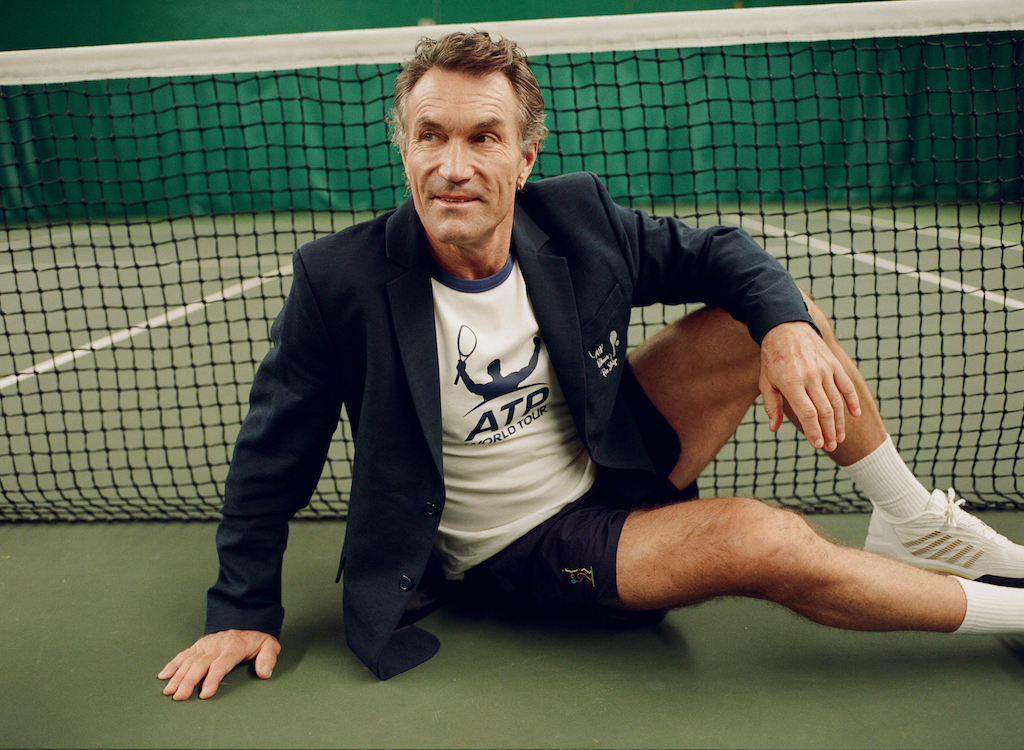
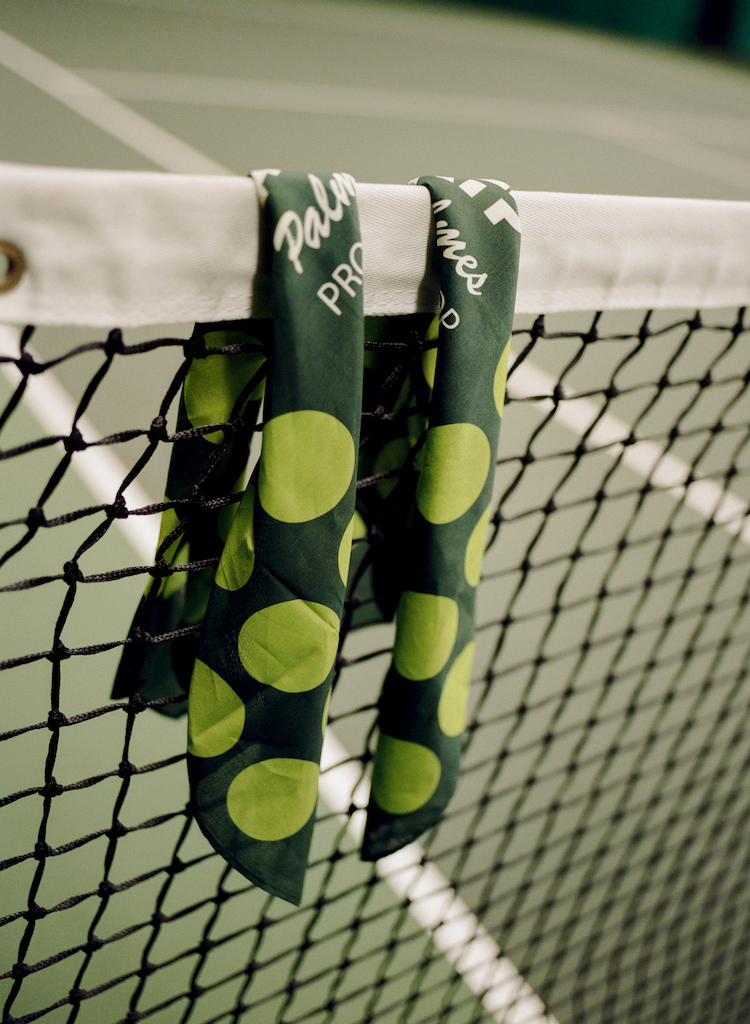
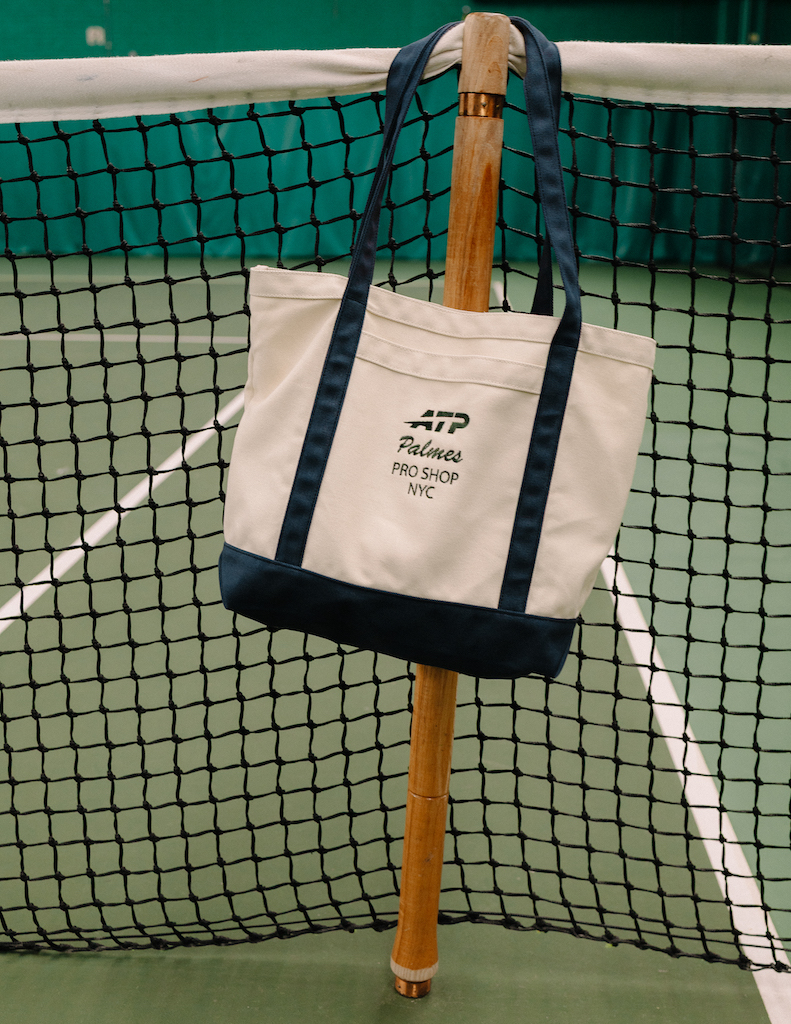
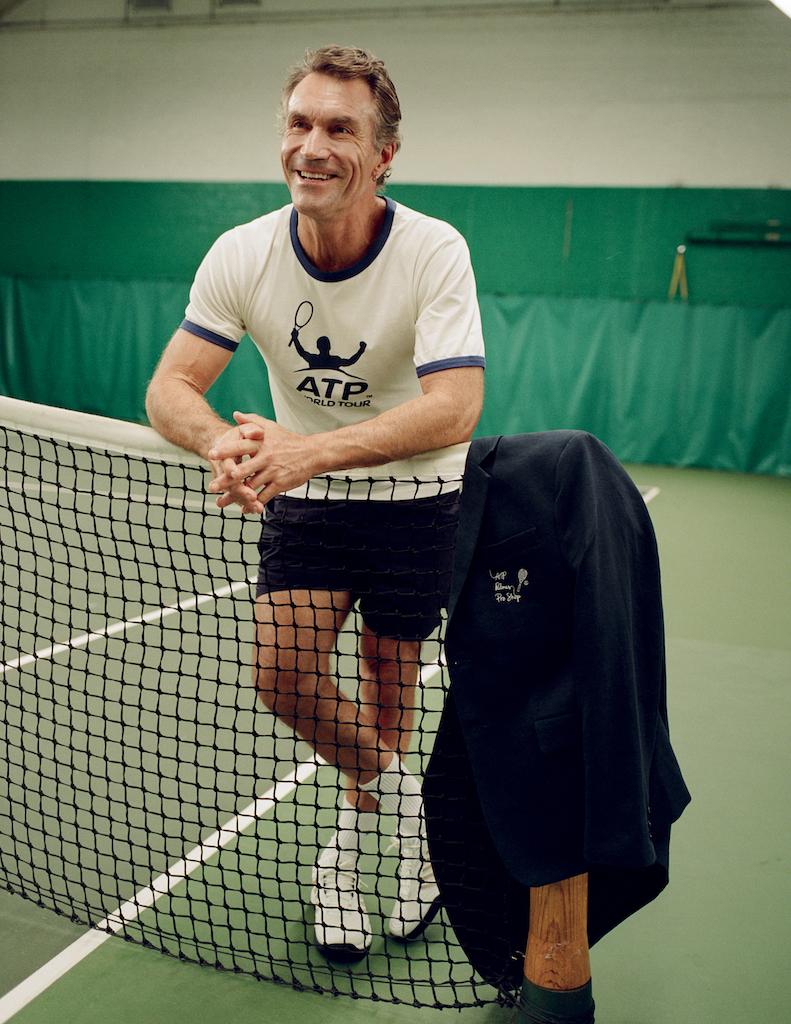
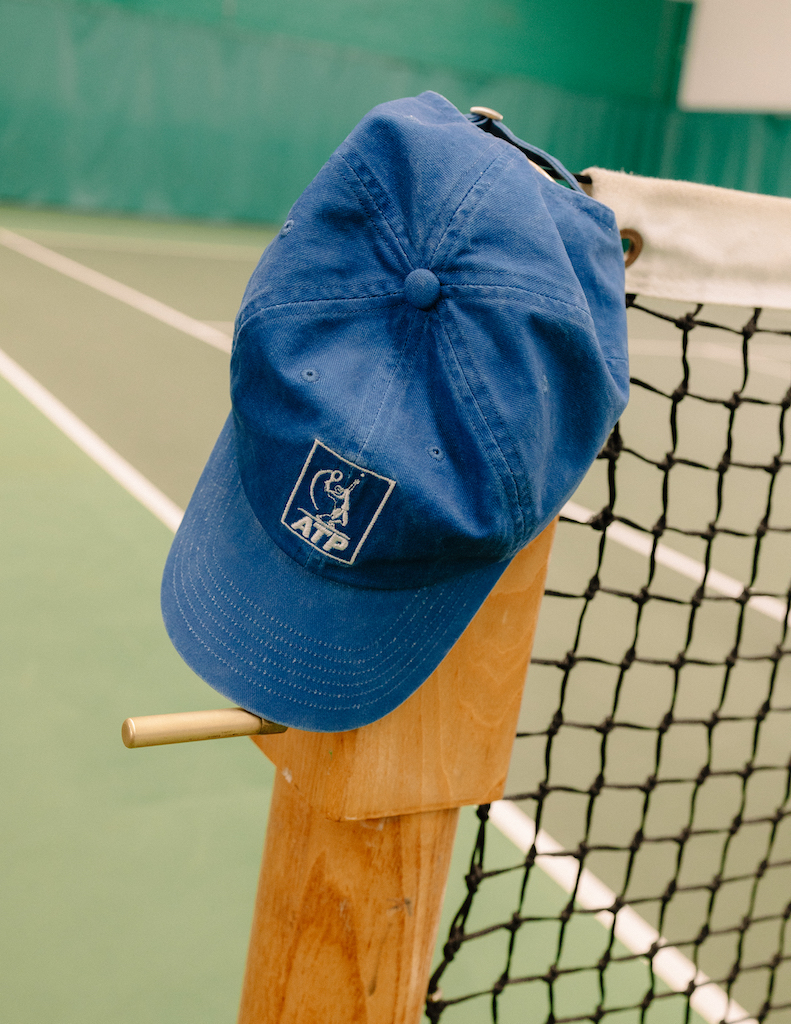
That spirit is what ATP is looking to revisit, in collaboration with Palmes, the Copenhagen label bringing tennis heritage into a contemporary wardrobe, and Pro Shop NYC, the New York creative platform that has spent years exploring the culture surrounding the sport. The result is a capsule collection drawing on defining moments in the Tour’s history, taking them beyond the court. The Milan launch took place at Reading Room on 12 November. Among the archival books and collector’s pieces was a particularly familiar face: Boris Becker. A few days before the ATP Finals in Turin, we sat down with him.
We’re surrounded by clothes and objects from the Seventies, Eighties and Nineties. What does it feel like to see the tennis of that era finding a new life as style?
There’s always something fascinating about the past. What I particularly like here are the old books. There’s a bit of everything: photo albums, books packed with information. There was a time when people would actually sit down and read about the history of tennis. Today, ask a young person to pick up a book and discover something new and they’ll say, ‘What do you mean?’ A moment later, they’ll be looking up the same thing on their phone. And then there are the ATP logos. They always bring back memories. I’ve seen so many different versions over the years, and they take me back to a time when everything seemed simpler, even the colours of the shirts. It’s a lovely memory.
We’re here for the Nitto ATP Finals in Turin. What sets this tournament apart from all the others?
The winner can be regarded as the world champion. Perhaps not officially, but the reality is that the eight best players of the season come together here, and only one wins. The best one. You have to finish in the world’s top eight to qualify, after all. It’s a long race, and everyone is in it from the start. At the beginning of the season, everyone has Turin in mind. Everyone wants to make those top eight places. And it’s an open race: whether you’re number one or number 100, there’s no guarantee you’ll get there. The eight players who qualify have earned their place. They’ve been better than everyone else over the course of the year. It’s the high point of the season.
You’ve experienced the Finals as a player, as Novak Djokovic’s coach and as a spectator. Does it look different from each perspective?
For a player, it’s a real privilege, one of the great milestones of a career. When I was coaching, it was a kind of recognition for all the work that had gone into the season. You’ve had to do an enormous amount to get your player here. The season is long, and there are all sorts of storms to weather: injuries, difficult opponents, everything that can happen along the way. As a spectator, it’s different. Every match can be a final. There are no weak players, no easy first rounds. You couldn’t ask for more.
Sinner will be absent this year.
His absence will certainly be felt here in Turin. But there’s Flavio Cobolli, another Italian, and the standard is still exceptionally high. Alcaraz is here, too. He was out for a long time, but he’s back now and playing very well. And I have to mention Zverev, the new world number one, who’s German as well. It may take a little getting used to seeing him at the top of the rankings, but he’s earned it. He’s played better than the others, won more points and more matches. He deserves to be there. And with Sinner missing – he’s won the last two editions, after all (ed.) – there’s something else to look forward to, something I particularly like: a new champion. It’s always good to have a little unpredictability, to see different players taking their turn at the top.
Has men’s tennis become a two-horse race between Sinner and Alcaraz?
They’ve dominated the last few years, there’s no question about that. But this season Alcaraz won in Melbourne, Zverev took the French Open and Sinner won Wimbledon. Three different Grand Slam champions. I think that’s a healthy thing for tennis.
Italy is enjoying a remarkable period in the sport. Does that success have deeper roots, or does it all come back to Jannik?
Every country likes to rally behind a winner, and Italy is no different. There was already a strong group coming through before Jannik, with Berrettini and Fognini. Cobolli has had a fantastic year, and Musetti qualified for the Finals last year. There are a lot of very good players. But there’s no doubt that Jannik’s success has been the catalyst.
Is it harder to win on home soil?
I think so. You don’t want to let your home crowd down. The expectations are greater, and so is the pressure. But the reward is greater, too. If you’re Italian and the final is being played in Italy, you’ll find a little extra to get yourself there.
Did you enjoy playing under pressure?
Yes. I always played better under pressure.
You live in Milan now. How are you finding it?
I love it. I’ve been here for almost four years with my wife and our little girl, and Milan is home now. It also brings back memories of my playing days. Every February there used to be a big indoor tournament at the Forum, and I won it four times. Milan has always been a lucky place for me, first as a player and now as a family man.
Do you speak Italian?
Not very well, but I understand quite a lot.
Are there places in and around the city that you particularly love?
Quite a few. The parks are beautiful, and I love the lakes: Como, Maggiore. Then you can drive for a couple of hours towards Genoa and find yourself by the sea. Milan is incredibly well placed.
Finally, who’s your pick for Turin?
It’s very difficult to make a prediction. I’m called a tennis expert for a reason, but before a tournament I like to see who’s playing well. Alcaraz has just won in Paris-Bercy, with Shelton in the final. Zverev is the new number one. And I want to see how Cobolli does, particularly playing at home. I’ll wait and see how everyone starts. By next week, I’ll be in a much better position to tell you who the real favourite is. At the moment, it’s wide open.