
Historically, the traffic has flowed in the opposite direction. Clubs rather than national teams, South America to Europe. Falcao, Maradona, Messi: generations of great players who made their way to the top of the game along that route. For the most part, it remains the same today. And yet a new current is beginning to run from the Old World to the New, particularly through the youth academies. Here, talent is still taking shape, technically and in terms of identity. A player might be at Real Madrid or Manchester United, but his roots are in Brazil or Argentina. Neither country intends to let him slip away.
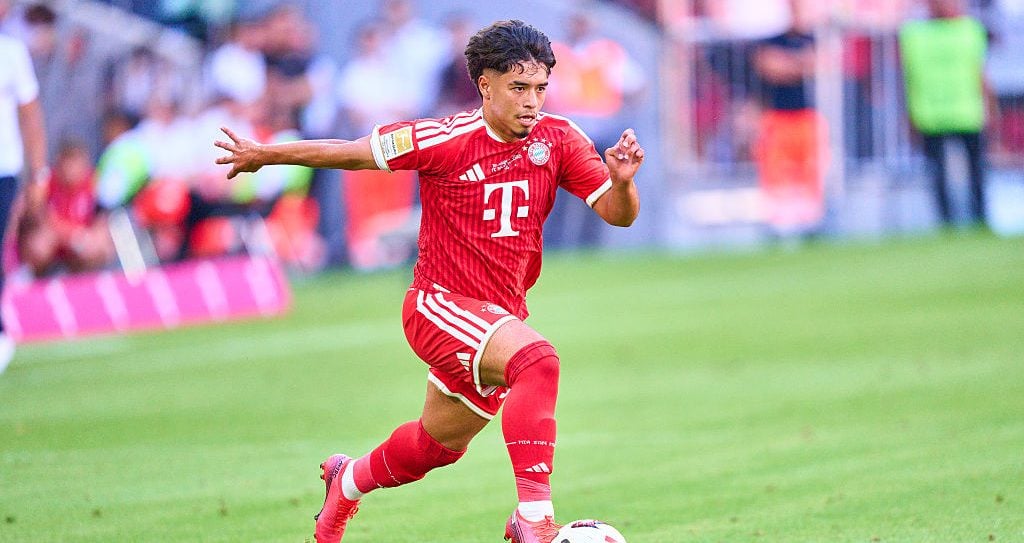
The latest case is Maycon Cardozo. Born in Brazil in 2008 and raised in Thailand, he was spotted by Bayern Munich through the German club’s international programmes. He is now a promising winger making his way towards the highest level of the game, and Brazil are watching closely. Just days ago, Paul Victor Gomes, who oversees the country’s Under-23 and Under-20 sides, reportedly visited Bayern’s training ground. Cardozo was one reason for the visit, but not the only one. Brazil are also looking to establish a more systematic relationship with the Bavarian club, with both sides alerting each other to emerging prospects from this new generation of “Euro-Brazilians”. The Bundesliga has long been popular in Rio and beyond. The groundwork is already there.
Brazil may be arriving a little late, but Argentina have been working this territory for years. In Buenos Aires, they have even coined a term for these young players, raised in some of the world’s best academies but with roots that make them attractive to the Albiceleste: the Europibes. From Alejandro Garnacho to Nico Paz, they are becoming an increasingly important part of the talent pool monitored by the national team coach. The catch is that these players can choose to represent another country. That makes the federation’s patient work behind the scenes all the more important. Early in their youth careers, Garnacho and Castelau had already appeared for Spain’s youth sides, having been born there. Timing matters. A player needs to feel wanted while he is still a prospect, with a place in a project that offers him a future. Argentina have to make their case early.
Other South American nations are taking a similar approach, albeit on a smaller scale. Last April, Ecuador’s Under-17s called up Iker Mantilla and Adrian Cuadrado for the age-group Copa América. Both were born and developed as footballers in Spain, but could yet represent Ecuador. For a country like Ecuador, that means widening the pool of players available for selection. Uruguay has been looking further afield, too. Around the same time, it organised Camp Celeste, an international gathering in Miami, a city with deep Latin American roots and home to Luis Suárez. Dozens of young players of Uruguayan descent, born between 2007 and 2012, were invited to meet their peers already coming through the academies in Montevideo. Some may join them one day. National allegiance is no longer quite so straightforward in a game that crosses borders with ease. Even in the land of fútbol.