
A tighter calendar, with the emphasis on intensity. Formula 1 has announced that from next season the number of Sprint Races in the world championship will rise from six to ten. It is a significant increase, both for the calendar and for the circuits chosen to host these additional races: Bahrain, Australia, Japan, Abu Dhabi and the Principality of Monaco will stage a Sprint for the first time. The decision reflects the nature of the format itself. More expensive to organise, but highly popular with fans, with the cars in action across three days rather than within the usual weekend window.
How does it work? Sprint Races are mini-races of around 100 kilometres each — a third of the distance of a traditional Grand Prix. There is no mandatory pit stop, and only the first eight finishers score points towards the World Championship. The format has particular appeal for more occasional fans, perhaps drawn to motor racing but often put off by the length and monotony of a Grand Prix: fewer laps mean fewer opportunities for overtaking, keeping the action within a more manageable window for spectators. It can also help bring new audiences in. Silverstone in the United Kingdom, for example, believes that including a Sprint Race in its event helped bring 64,000 more spectators than the previous year. Numbers Formula 1 will hardly overlook, particularly with the expansion described as “an opportunity to strengthen the global appeal of motorsport while maintaining the highest competitive standards”.
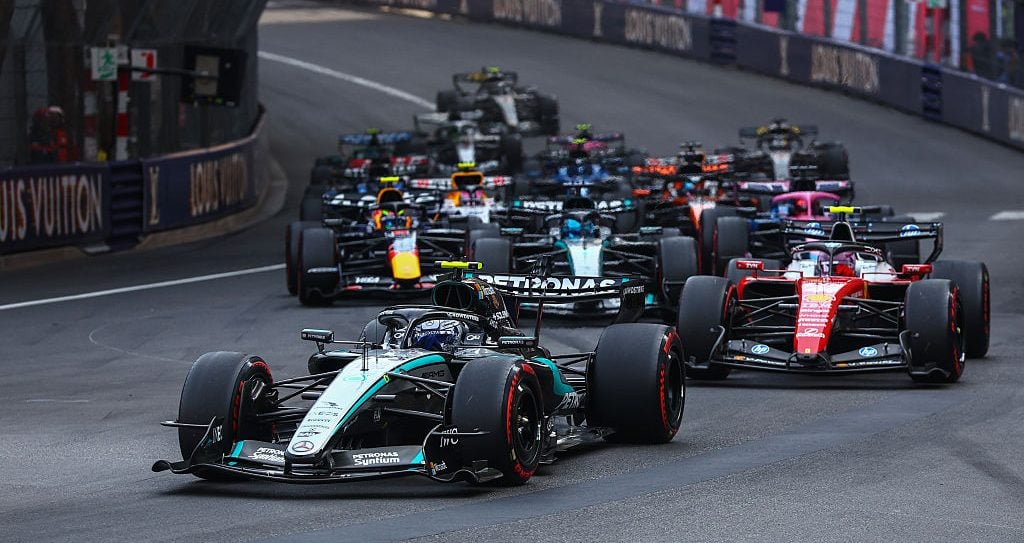
The 2027 season will begin on 12 March in Bahrain and run through 10–12 December in Abu Dhabi: 24 Grands Prix in total, with more than 40 per cent of them — including the opening and closing rounds of the championship — featuring Sprint Races. Italy will have one too, at Monza, from 3 to 5 September 2027. So, if it is not quite a revolution in the programme, it comes close. The biggest question mark? Monte Carlo. Always a circuit apart, defined by its urban setting and unique characteristics. People within the sport are deeply sceptical about the prospect of altering one of Formula 1’s most iconic Grands Prix: a Sprint would inevitably bring changes that challenge tradition. The organisers, however, maintain that there will simply be two separate qualifying sessions in the Principality, each producing its own grid and adding another degree of unpredictability to the event. Even so, a Sprint in Monaco remains a difficult proposition: given the narrow confines of the circuit and the reduced number of laps, it is highly likely that the starting order will coincide even more closely with the finishing order. But that may be just fine when there are tickets to sell.