
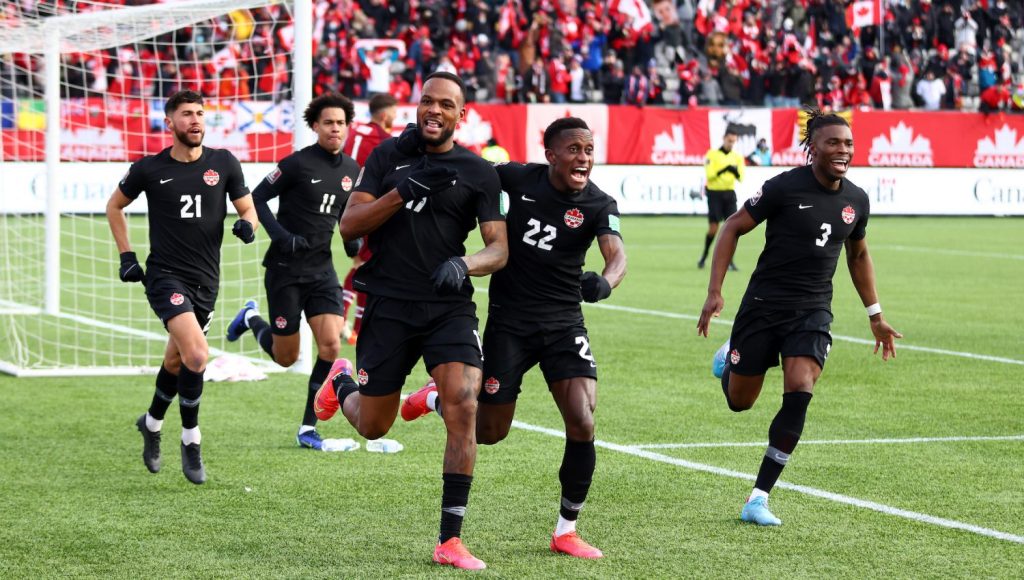
For decades, Canada built its sporting identity around hockey. Today, though, football is gaining ground like never before. The men’s national team’s historic run at the 2026 World Cup, ending with qualification for the round of 16, did more than rewrite the record books. It changed the habits of supporters too, especially among younger generations. According to a survey carried out during the final days of the tournament, football has become the country’s second most-followed sport, behind hockey but ahead of baseball, basketball and American football. It was a sign of what that run meant for a generation that has brought Canada back into the international game. “Reaching the last 16 was a huge moment for us,” some of the players said after the tournament. “It’s something Canada should be proud of.” For the squad, though, the result feels more like a starting point. “The future is huge. Football can genuinely become the country’s biggest sport.”
Football was already Canada’s most-played sport, particularly among young people. The World Cup simply turned that participation into a national conversation, bringing a familiar presence into the spotlight in a way it never had before. For the first time, the number of people following football as spectators is beginning to approach the audiences long claimed by the country’s traditional sporting powers.
The shift is even clearer among younger Canadians. In the 18-to-29 age group, football has already overtaken hockey as the favourite sport to watch. The same is true among Canadians born abroad, a steadily growing part of the population that is helping reshape the country’s sporting culture. It is less a replacement than an expansion of the national landscape, one increasingly shaped by multicultural communities and exposure to the biggest international events.
For Canada Soccer, the opportunity is obvious. The task now is keeping the energy of the World Cup alive and turning it into something lasting. Canadians can embrace more than one sport without giving up hockey. Recent history suggests that major successes leave a visible mark on participation. After the Toronto Blue Jays’ run to the World Series playoffs, Baseball Canada recorded a sharp rise in youth registrations. The effect was even clearer after the Toronto Raptors won the NBA title in 2019, with youth participation in basketball increasing by 35 per cent. In Canada, success usually brings people with it. Football now hopes to create the same effect. The difference is that the World Cup reaches further than any other sporting event, and the national team’s run connected with an audience far beyond the game’s established supporters.
Not everyone believes football is about to overtake hockey. Some observers think it will still take time before the game can become the country’s leading sport. The opportunities, however, are there. Next summer brings the Women’s World Cup, in a sport with deep roots in Canada, particularly through schools. The women’s national team is already one of the leading sides in world football, as Olympic gold in Tokyo showed. The aim is for both national teams to be challenging again at the Los Angeles Olympics in 2028, building on the momentum created by the men’s World Cup campaign. Ice remains Canada’s defining symbol, but the ball is no longer simply the alternative. The numbers suggest that football has earned a lasting place among the country’s sporting passions. If the 2026 World Cup leaves the legacy many expect, its most important achievement may not have been reaching the round of 16, but changing the way millions of Canadians look at sport.