
Being at the center of the world and the World Cup. For days, weeks. The eyes – and cameras – of the five continents focused on you. A peak in tourist flows with shopping included. Nothing else? A mountain of expenses, apparently. And so being one of the host venues for the World Cup is not such a convenient deal after all. At least this year, at least in the United States: this is revealed by an analysis from Forbes, which explains the behind-the-scenes of a mocking dynamic. Yet, judging by some metropolises that have escaped the hot potato, it might have been avoidable.
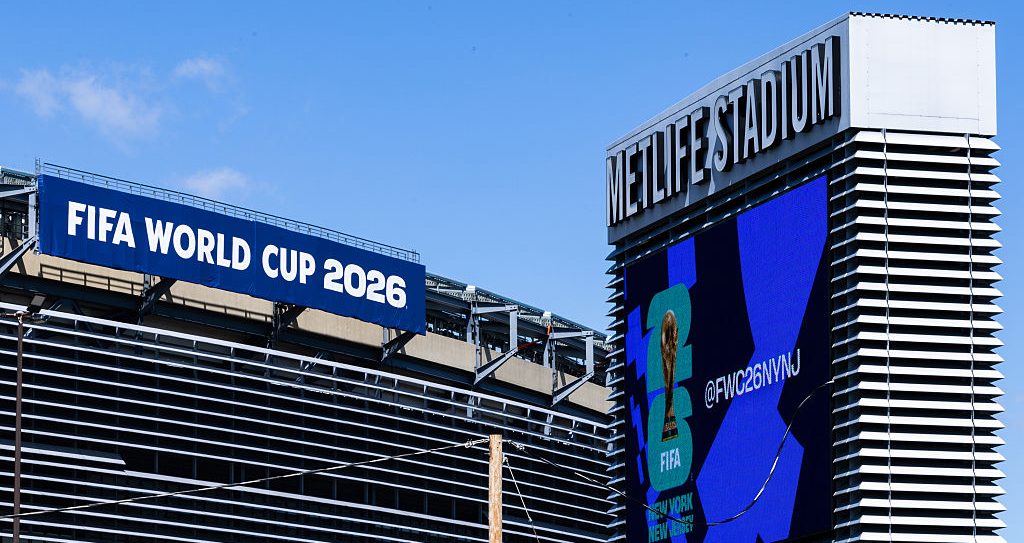
Atlanta, Boston, Dallas, Houston, Kansas City, Los Angeles, Miami, New York – or rather the MetLife Stadium in East Rutherford, New Jersey, where the final will be held –, Philadelphia, Seattle, and San Francisco. There are eleven cities in the United States that will collectively host 78 matches of the event. And in the best-case scenario, of the 22 million dollars in public spending for locations, only 8 are recovered. This means that the World Cup budget, from the east coast to the west coast, is projected to result in a deficit of at least 14 million for the host cities.
How is this possible? Global visibility and hundreds of thousands of visiting fans mean a dizzying turnover, which can act as a flywheel for the entire local economy. However, there is another side to the coin. That is, an equally dizzying shopping list: organizing the event safely costs a fortune, logistics and large-scale distribution weigh just as much, and the construction or renovation of major sports infrastructures is an effort of hundreds of millions of dollars. And all this is borne by the host cities. Meanwhile, the most profitable aspects of the tournament – ticket sales and merchandising, TV rights, sponsorships – go into FIFA’s pockets (and indeed Gianni Infantino is quite happy with how things are progressing towards the American World Cup).
The problem – call it exuberance or shortsightedness of those who wanted to be the protagonist – is that this dynamic was clear from the beginning. It is no coincidence that a big city like Chicago is missing among the U.S. cities: local politics had deliberately chosen to opt out of organizing the World Cup, facing several accusations for missing a great opportunity; in hindsight, it was a choice of wise governance. The other administrations are not necessarily clueless, but they have succumbed to the allure of public subsidies related to the event, combined with overly optimistic estimates – often calculated by FIFA, and here lies the problem – regarding potential economic returns. It was the global football federation that boasted that host cities could count on about 11 billion dollars in total profits: in the end, the losses will fall on taxpayers.
And the signs of the financial unsustainability of the entire operation are also evident in terms of price. Many are attributable to FIFA, such as the tickets for the matches. Others, however, are a necessity for the organizers: the only way New Jersey had to support a surge in train routes from New York to the MetLife Stadium was to raise fares exorbitantly. From the usual 12.90 dollars to a stunning 150. Understandable the controversies that erupted among travelers, but also the reasons of the federal agency for avoiding six-figure losses – and the situation is already not rosy, with a deficit of 200 million dollars: “We did not raise prices to profit from it, but to try to cover part of the costs,” explain the insiders.
Thus, one ends up in a state of irrationality: the first cities enthusiastically accept the idea of hosting a World Cup because they are the first, the others follow out of fear of being left out. The calculations are done poorly and late. Certainly, some sectors – from accommodations to entertainment – will benefit from the impact of the event. But overall, the picture is anything but rosy. And if the problems of the host cities are structural, it will become increasingly difficult in the future to find cities willing to bear the risk. For this reason, FIFA carefully selects each upcoming destination.