
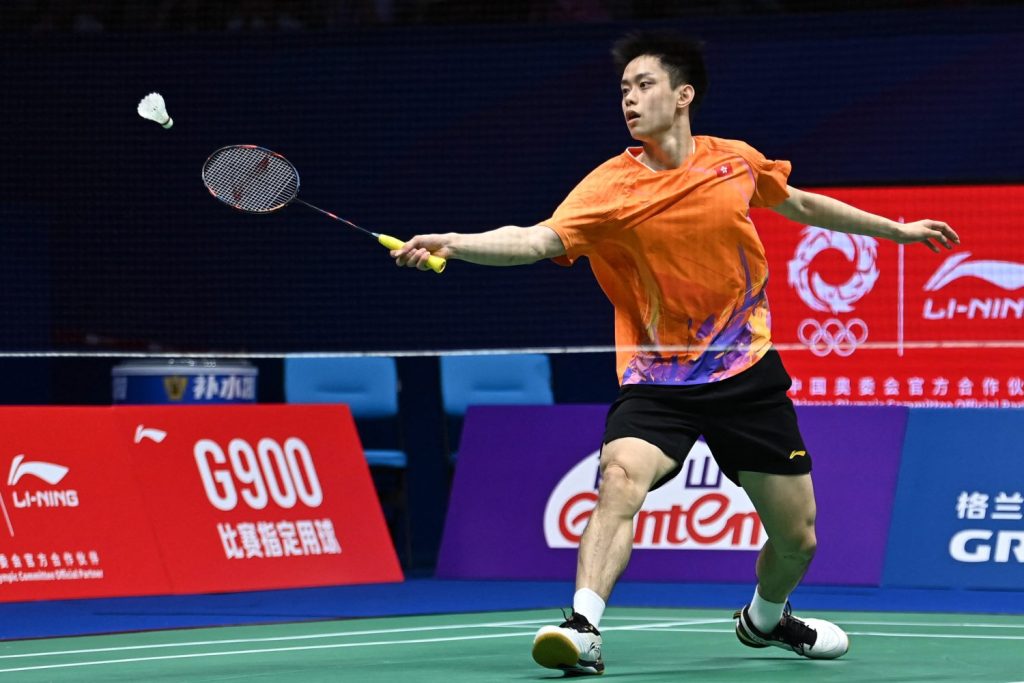
When Jason Gunawan beat fellow Hong Kong player Lee Cheuk Yiu in the men’s singles final of the China Masters in Shenzhen in September, the result meant more than a first Super 750 title for the 22-year-old. Lee, who lost 21–9, 21–16, called it the “best day in badminton history for Hong Kong”. It was a striking reaction from a player who had just lost a major final. It was the first men’s singles final between two Hong Kong players in the HSBC BWF World Tour era, and Gunawan became the first player from the city to win a title at that level. Neither had an easy route to the final. Gunawan beat world No 1 Jonatan Christie, defending champion Weng Hongyang and Denmark’s Anders Antonsen. Lee reached the final by beating compatriot Angus Ng Ka Long and the French second seed Christo Popov.
For Hong Kong, the result was significant because its success in men’s singles has largely rested on a small group of established players. Ng has been among the world’s leading players, while Lee reached a career-high ranking of 13 and made his Olympic debut at Paris 2024. But Gunawan’s breakthrough suggests there is now another player capable of competing with the best. “It’s a huge confidence boost for our team,” Gunawan told the Badminton World Federation. “It shows we can compete with stronger teams and get closer to them.” He also hoped the achievement would give younger teammates greater confidence in their own potential.
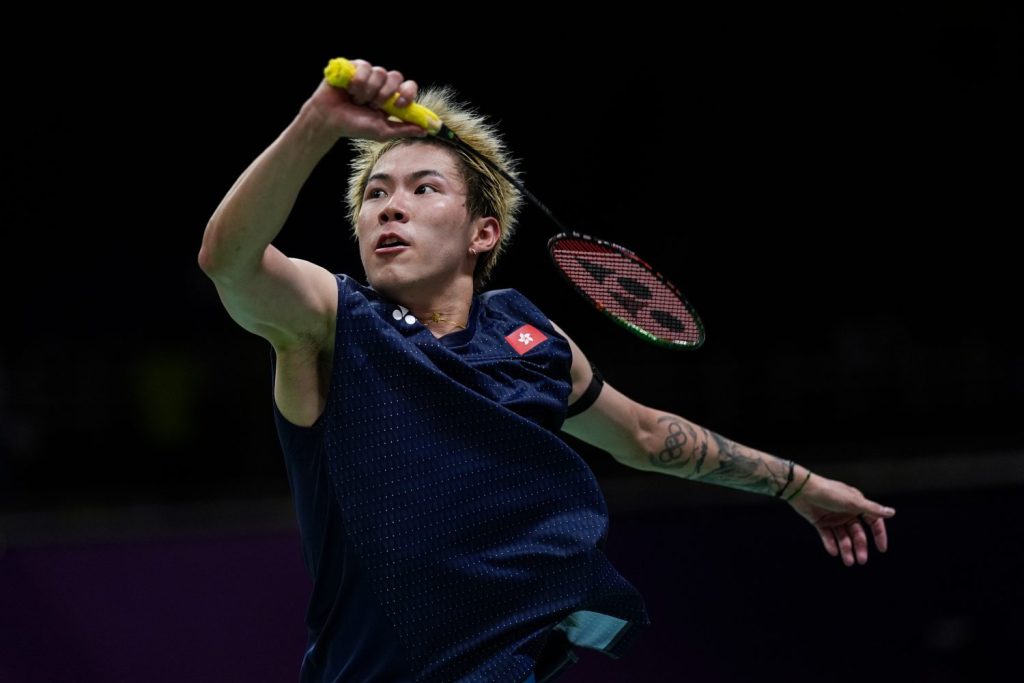
The Li-Ning Hong Kong Open, by contrast, has offered a more sobering counterpoint: Jason Gunawan was beaten by Denmark’s Anders Antonsen, while Angus Ng Ka Long’s campaign was cut short by injury against Indonesia’s Ubaidillah. Lee Cheuk Yiu, meanwhile, bowed out in the second round, losing 21–14, 21–14 to Thailand’s Kunlavut Vitidsarn. The results put Gunawan’s breakthrough into perspective: his victory was an important step forward, but turning individual success into sustained strength across the men’s singles squad will take time.
Gunawan’s rise coincides with a new era for the Hong Kong Open, which moved to Kai Tak Arena for this year’s tournament after 12 editions at the Hong Kong Coliseum in Hung Hom. Hong Kong team players were among the first to try out the new venue on November 14, three days before the tournament opened on November 17. The arena offers around 20 per cent more seating than the previous venue, giving more spectators the chance to watch the city’s flagship badminton event.
The Hong Kong Open is also set for a significant upgrade. First staged in 1982, the tournament has been a Super 500 event on the HSBC BWF World Tour since 2018. In February, the Badminton World Federation confirmed that it would move up to Super 750 from 2027, as part of its 2027–2030 World Tour cycle. The change will give Hong Kong players more opportunities to face leading international opponents at home, while bringing a stronger field to the city.
For Gunawan, who has already won at Super 750 level, and Lee, who has established himself among the world’s leading players, the prospect of competing in an upgraded Hong Kong Open will be another opportunity to test themselves in front of a home crowd. Whether this marks a lasting change for Hong Kong badminton remains to be seen. But Gunawan’s victory, alongside Lee’s run to the final, offers evidence that the city’s strength in the event is no longer confined to its established names.