
A shake-up that could change the world of chess. Certainly when it comes to its appeal and the money involved. That is the ambition behind Total Chess, which will make its debut in experimental form before emerging, in 2027, as a fully fledged major event with its sights set on the established order. The World Chess Championship may be one of sport’s most prestigious institutions, with a history stretching back to 1886, but many players believe it has become stuck in another era. Few have been more outspoken than Magnus Carlsen, the record holder for world titles and, in FIDE’s own words, “the greatest chess player of all time”. Hardly an insignificant voice. Carlsen, who has boycotted the traditional World Championship for the past three years, is also the driving force behind Total Chess.
For the Norwegian, the idea is to give chess a new lease of life. The tournament will retain the three established formats – blitz, rapid and classical, each defined by the amount of time players have to think – but with a significant rethink of the most prestigious one. Classical chess can be an extraordinary test of endurance. Each player has up to 195 minutes, with an additional 30 seconds per move from move 61 onwards. The world title is contested over a best-of-14 match, with one game a day across more than a fortnight. Even for players at the very highest level, it is a gruelling schedule. Carlsen has long argued that the format needs to change.
Total Chess proposes a different approach, introducing what it calls “accelerated classical”: halving the time available for each game and, just as significantly, opening up the contest itself. Until now, the world title has been decided through extended head-to-head matches, some of them among the defining encounters in chess history: Kasparov against Karpov, Fischer against Spassky, Capablanca against Alekhine. Total Chess wants to bring 24 players into the running for the title. A considerably wider field, and a potential challenge to FIDE’s long-standing hold on the World Championship.
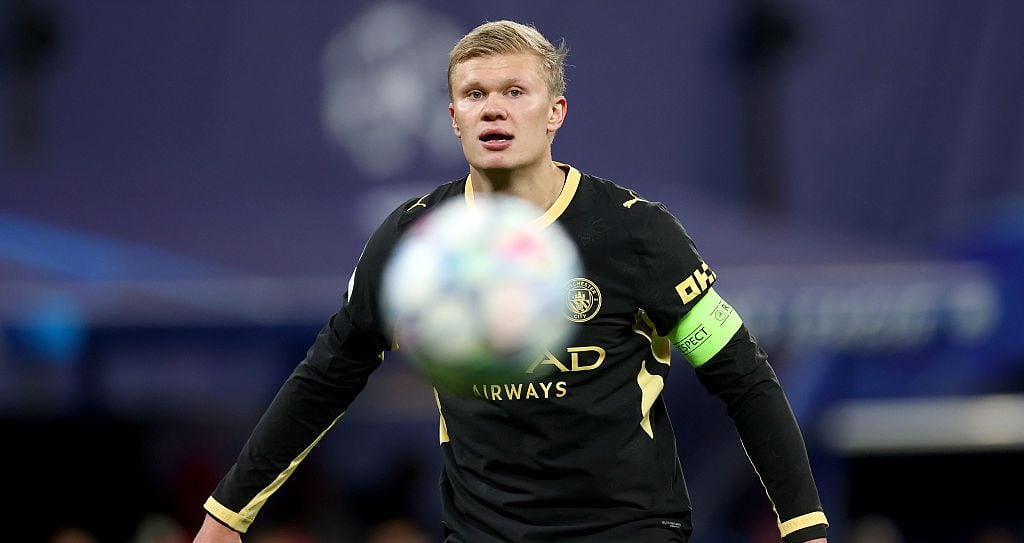
There is more to the project than a new playing format. Considerable financial backing is involved, along with some rather high-profile names. Beyond Carlsen, its most prominent advocates are fellow Norwegians. Among them is Erling Haaland, already an enthusiastic investor in chess and increasingly committed to the project. The Manchester City striker has acquired a 25 per cent stake in Total Chess. Another notable name is Johannes Høsflot Klæbo, the multiple Olympic champion and, after Haaland, Norway’s most famous athlete. For its critics, the whole thing looks rather like a hostile takeover of chess, orchestrated by what they call “runaway marketing”. But should Carlsen be joined by Fabiano Caruana or Wesley So, two of the strongest grandmasters in the game today, the new circuit will be difficult to overlook. It already has quite a following beyond the chessboard.