
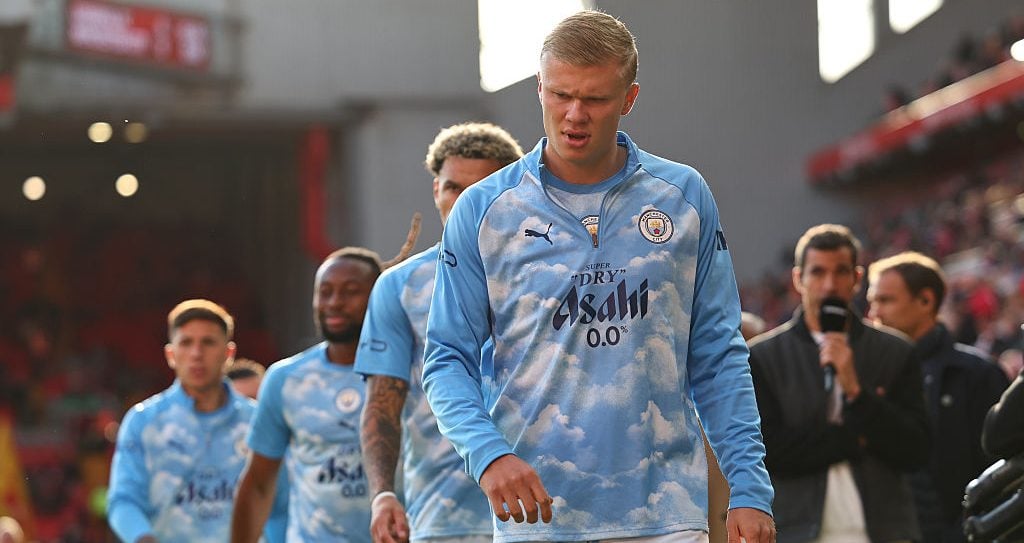
Not all that glitters is gold—or at least, not only gold. The Premier League, and English football as a whole, is riding the highest wave in its history: dominating the transfer market, swallowing global broadcast revenues, and hoarding elite talent inside clubs operating at the absolute summit of the game. Yet it remains some distance from a footballing El Dorado. The ongoing saga surrounding Manchester City could soon redraw the competitive hierarchy, but financial analysts warn the underlying rot extends far beyond the Etihad. The headline figure, highlighted by Reuters, is stark enough: ninety-four percent of clubs across the top five tiers—109 out of 116—are running at a loss, a trend showing no sign of slowing while nearly two-thirds of Football League and National League sides are functionally insolvent. How, then, does the show go on without a hitch?
The latest shot across the bows comes from the Independent Football Regulator, which warned this week that English clubs remain “dangerously exposed” to systemic financial risk, calling for tighter balance-sheet oversight and long-term strategy for clubs that burn through cash at ruinous rates. If the entire edifice, from Chelsea on down, has avoided total collapse, it is down to benefactor indulgence: owners dropping liquid cash—often in staggering amounts—to steady a vessel drifting into increasingly choppy waters. The implication is obvious: should boardroom appetite cool, the music stops. Supporters have spent years living with the quiet dread that their club is only ever one bad chairman away from oblivion.
The report landed on a game already twitchy over the fallout from the City charges, because behind the vanity signings now treated as routine business across the top flight and upper reaches of the Championship lies the uncomfortable truth that a quarter of these clubs would go under within a month if the tap were turned off. Last season alone, twenty clubs across the top five divisions directed over eighty percent of turnover toward player wages, with six breaching the hundred percent mark—far past the point of a mere warning sign.
There are, of course, too many commercial, sporting, and reputational drivers for the Premier League to forfeit its status as Europe’s de facto Super League anytime soon, but brushing aside the unsettling picture behind the curtain would be an exercise in pure naivety. Piling debt upon debt is no longer a viable strategy, a lesson English football is finally starting to digest—though whether that realization actually changes how the game is run remains quite another matter.