
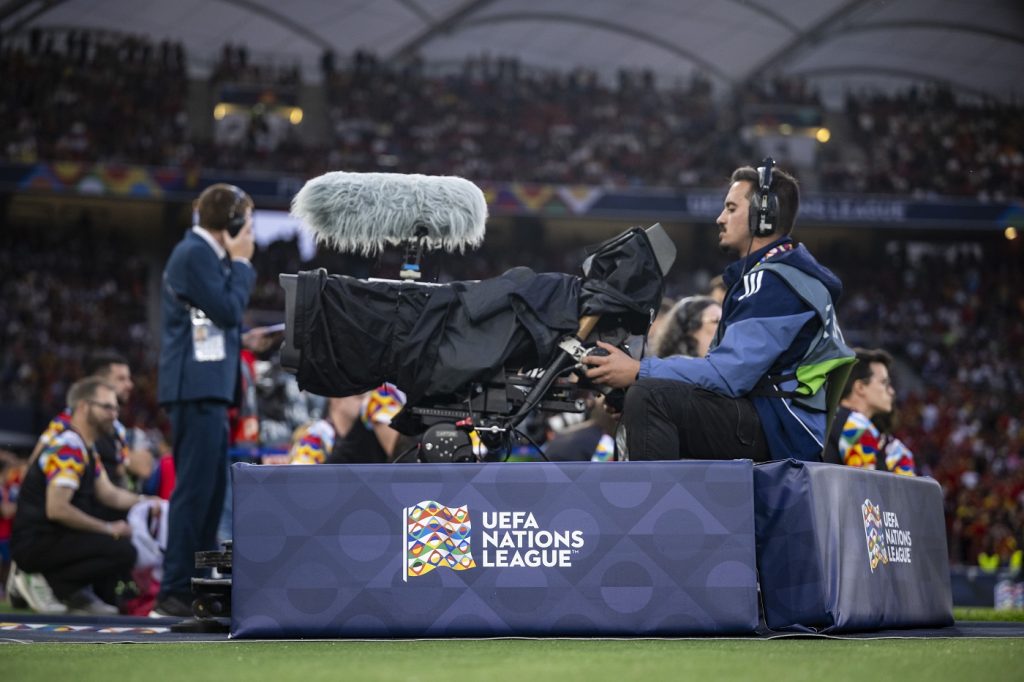
UEFA has been looking for ways to increase the number of matches and turn them into an event for some time. The decision to overhaul the Nations League and the qualifying formats for the European Championship and World Cup takes that idea even further. The changes are set to come into force after Euro 2028, with the aim of bringing international football ever closer to the club game. After a detailed review of the current formats for national-team competitions, UEFA has decided to copy — or at least adapt — a system already tested, with some success, in the last two editions of the Champions League.
It starts with the Nations League: the current four leagues will be reduced to three, each made up of 18 teams. Each league will be divided into three groups of six national teams, with every team playing six matches against five different opponents, home and away against teams from different pots, plus a two-legged tie against the national team in the same pot. With 55 federations taking part, League C will have one exception: one of the three groups will contain seven teams and will begin its schedule one matchday earlier. Otherwise, the structure will remain unchanged, with quarter-finals, a Final Four and promotion and relegation play-offs.
The changes will also affect qualifying for the World Cup and European Championship. The national teams will be divided into two tiers: League 1, made up of the 36 teams currently in Nations League A and B, and League 2, comprising the remaining 18 or 19 sides. League 1 will feature three groups of 12 teams, drawn from three pots of 12. Each national team will play six matches, home and away, against six different opponents, two from each pot. The formula closely resembles the new system adopted by the Champions League, with a schedule built around opponents from different pots rather than the traditional group stage.
League 2, meanwhile, will follow the same structure as League C of the Nations League, with three groups of six teams, or one of seven depending on the final number of participants. The national teams hosting the final stages of the tournaments will continue to qualify automatically, but will still take part in European qualifying, with their results also determining their position in the following edition of the Nations League. The best-placed teams in each League 1 group will qualify directly for the final tournament. The remaining places will be decided through a play-off system that will also give teams from League 2 a clear route to qualification.
Aleksander Čeferin had already set out the thinking behind the reform several months ago: “The new formats will improve competitive balance, reduce the number of meaningless matches and offer fans a more dynamic and interesting competition, while at the same time ensuring that all national teams have a fair chance to qualify, without adding any further dates to the international calendar,” the UEFA president said. Speaking about the new structure, Čeferin added: “These changes will increase the value of UEFA men’s national-team football and we very much look forward to introducing the new competition systems.”