
The final word on Italy’s next national team coach will only come with the FIGC’s official announcement, when we know who will replace Gennaro Gattuso. Until then, the decision itself remains suspended. Everything around it, however, has already produced a series of surreal and avoidable moments that have turned the whole affair into something close to farce. A story that has involved everyone who played a part, whether central or peripheral, in the various stages of the process. In many ways, it began when Paolo Maldini – technical director of the Italian Football Federation and president of Club Italia – spoke to journalists alongside his advisor Leonardo de Araujo and said: “On Guardiola, we cannot give any news: you have identified one of the targets, but we have also spoken with Ancelotti. We felt it was right to start with the best in the world, but their availability has to be assessed. More important than timing is waiting for the person we really want.”
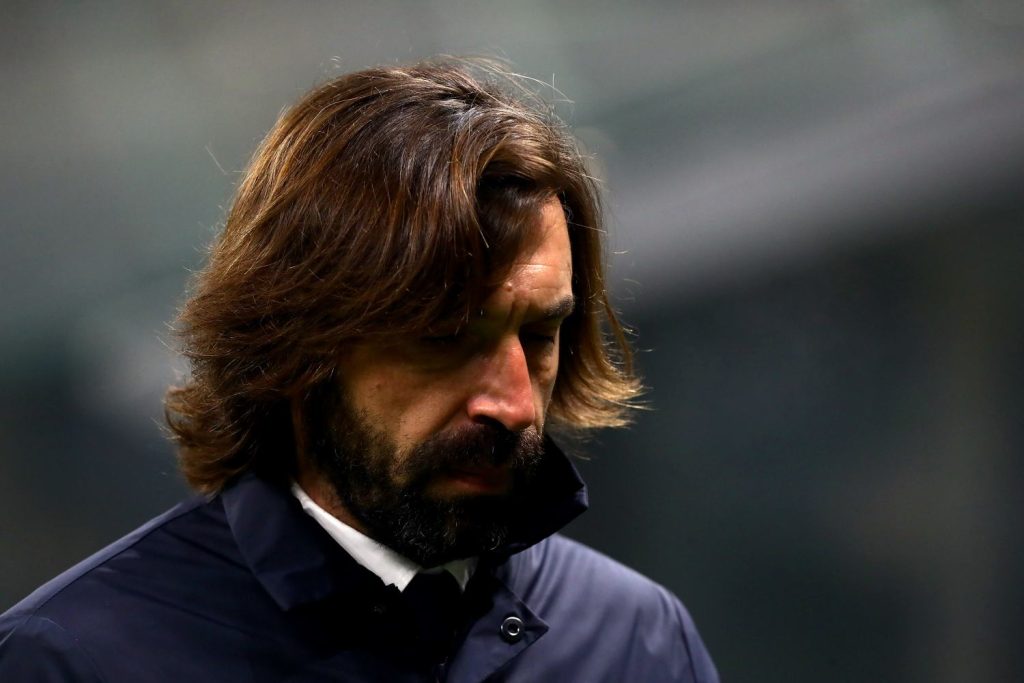
A few hours later, the main Italian media outlets – newspapers, transfer-market reporters – were carrying the news that Guardiola had rejected Maldini’s offer, with talks then set to begin with Andrea Pirlo, who had already been identified by those same outlets as the “Plan B” should the Catalan coach say no. The first serious mistake was made there, in the way the process was communicated before anything else. Pirlo may be one of the most recognisable names in football, with a global appeal that nobody can question, but his career as a coach has not yet reached the level suggested by Maldini’s words. It was a difficult standard to set: to present a search for “the best in the world” and then arrive at a candidate who, however respected, cannot realistically be placed within that category.
Pirlo could still have been the right man to succeed Gattuso and reshape the Italian national team from within. Nobody can know that in advance. Maldini clearly believed it. The problem was not necessarily the choice. It was the expectation created around it. After Guardiola, almost any alternative would have faced the same comparison. With Pirlo, though, other elements entered the picture: a managerial career that has been underwhelming so far, a relationship with Maldini that goes well beyond the professional sphere, and then his links with a Russian company. Links that Giovanni Malagò – according to reports – considered inappropriate, and which Pirlo himself did not distance himself from, describing them instead as the result of “an exclusively sporting and commercial relationship”. A legitimate explanation from his own perspective. But this is 2026, and context matters. Every decision now carries a wider meaning. Every association can acquire a significance beyond the intentions of those involved.
Malagò’s own mistake belongs in the same conversation. If Pirlo’s position and his associations were considered unacceptable, then the federation president could have stopped the process immediately. Before the reports of a verbal agreement. Before the talk of a project already taking shape. Before the expectation of a signature. If Pirlo had always been Maldini’s Plan B, and Maldini had officially taken office on 11 July 2026, it is difficult to imagine that the two never discussed whether Pirlo could actually be a candidate for the national team job. The objections that emerged later therefore appeared less like a decisive intervention and more like an attempt to revisit a technical choice that had already been made by Maldini – even if the concerns behind them may have been understandable.
In the end, nobody involved comes out stronger from this episode. Maldini, Pirlo and Malagò all made questionable choices, often at questionable moments, but above all they created the impression that they had not spoken enough among themselves. And, as a result, that they had not communicated their project convincingly enough to everyone else. The wider football world reacted accordingly. The Italian press, alongside parts of the political sphere, moved almost unanimously against the idea of Pirlo’s appointment, and the backlash following the failed Guardiola negotiations may have pushed the FIGC towards rejecting Maldini’s preferred option.
It may have been the wrong decision. It probably was. But it was also a very human one — and therefore something that should have been seen coming. Maldini did not see it coming, perhaps because he believed he did not have to. He also underestimated the weight of Pirlo’s links with Russia. The consequence is that he now finds himself partially weakened, his authority inevitably affected. The next step belongs to him. He has to decide how far he wants to take his principles, and how long he is prepared to defend them: whether to step aside or accept a compromise with Malagò, with the Federation, and with the mistakes that have now become part of his own story.