
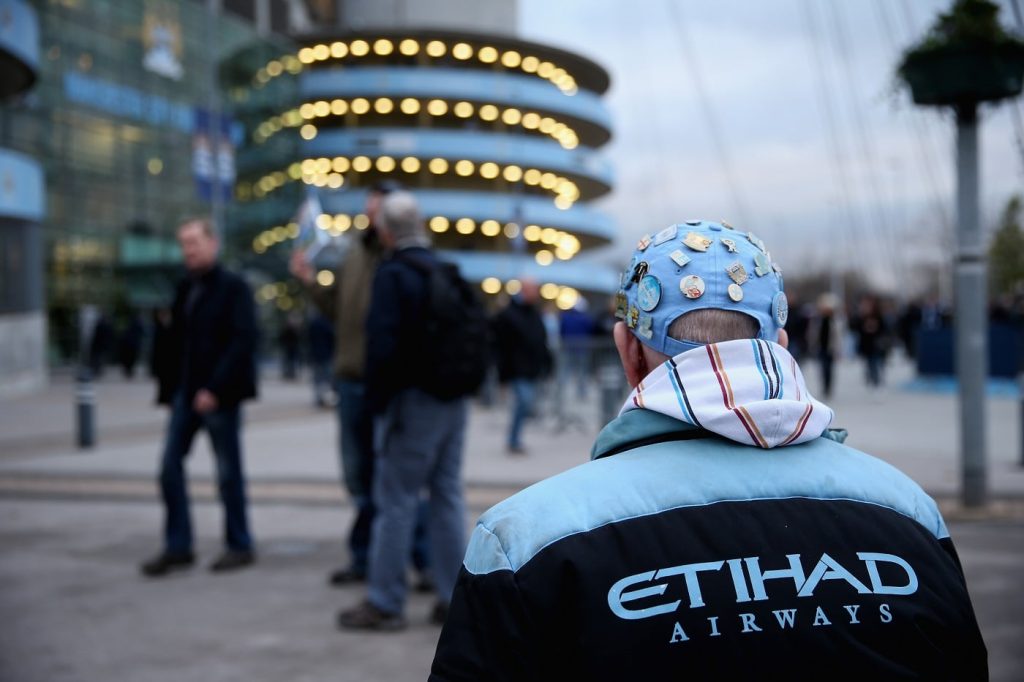
He had made a promise to Pep Guardiola before the manager decided to leave. Now, he has kept it. Manchester City, a club that has long been attentive to the question of ticket prices and access to matches, has announced a new initiative offering reduced-price tickets to residents living around the Etihad Stadium. In an English game that has become increasingly expensive and increasingly distant from many of the people who built its culture, City have chosen to move in the opposite direction. Between 100 and 500 discounted tickets will be made available for every Premier League home fixture, as well as for selected domestic cup ties and Champions League matches. The scheme will cover residents of the neighbourhoods closest to the stadium – Ancoats & Beswick, Clayton & Openshaw, Gorton & Abbey Hey, Ardwick and Miles Platting & Newton Heath – who will be able to buy tickets for £7.50, while under-18s will pay just £5. The move comes alongside the club’s decision to freeze ticket prices for a third consecutive season and introduce adult tickets from £25 for midweek Premier League matches. It arrives at a moment when the question of who can still afford to watch English football has become increasingly difficult to ignore. Over recent years, following a Premier League match has become a more expensive experience, with prices reaching particularly high levels for the most sought-after dates in the calendar. Boxing Day remains one of the clearest examples: demand rises sharply, availability shrinks, and costs follow.
The change is visible in the stands. The English middle class, which for generations formed the backbone of First Division terraces, has become a less familiar presence. In its place, there are more affluent supporters and international visitors, drawn by the global appeal of the Premier League and willing to spend heavily for the experience. It is no coincidence that so many top-flight fixtures are now sold through travel packages combining hotels, hospitality and match tickets, with prices often running into several hundred pounds. The limited number of seats available only strengthens the divide. With season tickets sold out at most stadiums, the opportunities left for local supporters are increasingly few. City’s initiative will not change the economics of the Premier League, and its numbers remain modest. But it is a reminder of the link between a club and the place around it. Before the global audience, before the commercial machine, there is still a stadium and the people who live beside it.