
A very different World Cup is coming when it kicks off in Mexico City on June 11. Not only because of the new 48-team format, but also due to a wide range of rule changes announced by IFAB — the International Football Association Board, the body that sets and updates football’s Laws of the Game.
The stated aim is to make the game faster, reduce time-wasting, clamp down on discrimination and improve the overall experience for players, referees and fans alike.
Overseeing the rollout of the new rules is Pierluigi Collina, chairman of FIFA’s Referees Committee, who outlined the key changes during a press briefing: “We are trying to make the game as clean as possible,” said the former Italian referee.
Among the most significant updates is the possibility of sending off a player who deliberately covers his mouth during a heated exchange with an opponent or match official. The rule, announced a few weeks ago, is designed to remove any grey areas around alleged discriminatory abuse delivered in a way that prevents lip-reading. Covering the mouth during normal on-pitch conversation will, however, remain allowed.
Stricter measures will also apply to dissent. Referees will be able to show a red card to players who leave the field to protest a decision, as well as to staff members who encourage them to do so. Any team responsible for causing a match to be abandoned will also risk forfeiting the game.
There are further major changes to VAR, whose scope will be expanded. Beyond the current interventions for goals, penalties, direct red cards and cases of mistaken identity, the system will now be allowed to correct clearly incorrect second yellow cards, identity errors involving bookings or dismissals, and wrongly awarded corner kicks. In the latter case, intervention will only be permitted if the correction can be made before play resumes and without causing significant delay.
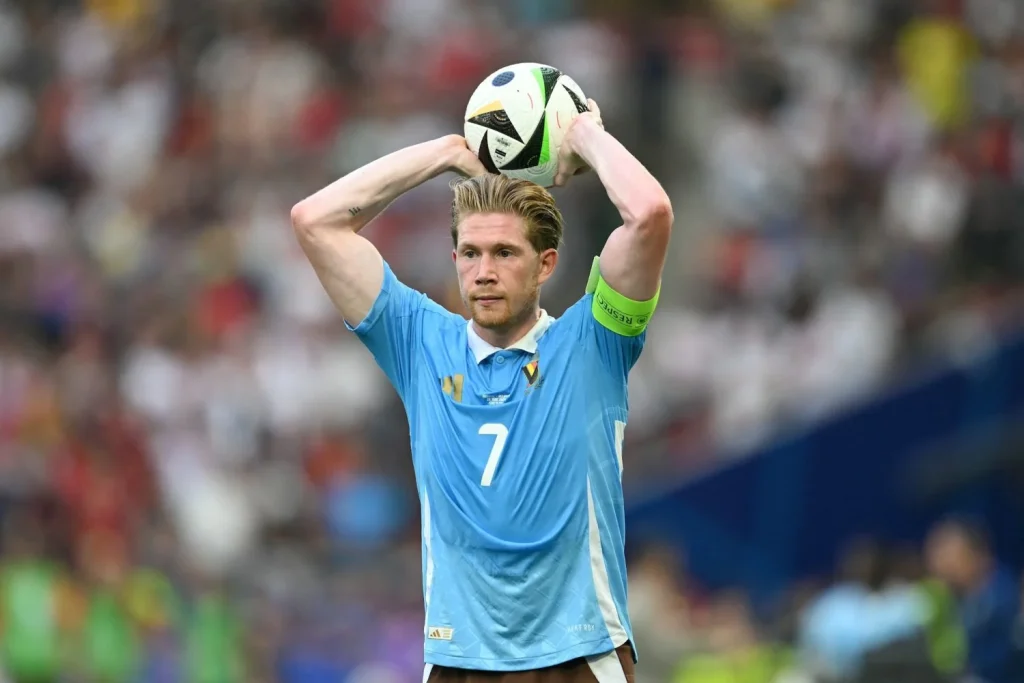
IFAB is also looking to clamp down further on time-wasting. Following the positive reception of the eight-second rule for goalkeepers holding the ball — introduced earlier this season — the principle will be extended to throw-ins and goal kicks. In these cases, however, the limit will be reduced to five seconds. Referees will be allowed to run a visible countdown and, in the event of deliberate delay, award possession to the opposition. The aim is not to be more punitive, but to encourage respect for playing time.
Substitutions will also be subject to tighter regulation. Substituted players will have ten seconds to leave the pitch via the nearest touchline. If they fail to do so, the incoming player will only be allowed to enter after one full minute of effective playing time has passed. Exceptions will be made for injuries, safety concerns or other extraordinary circumstances.
Medical treatment procedures are also set to change. A player receiving treatment on the pitch will have to remain off the field for at least one minute after play resumes. Exceptions include goalkeepers, collisions between teammates, concussions, injuries resulting from fouls punished with a yellow or red card, and cases where the injured player is the designated penalty taker.
For the World Cup, an additional clarification will be introduced to the VAR protocol regarding fouls committed by the attacking team before a set piece is taken. If an offense has a direct impact on a goal, penalty decision or disciplinary action, VAR will be able to recommend a review. If the infringement is confirmed, play will restart with the set piece retaken, along with any appropriate disciplinary sanction.
As noted at the start, these new rules will already be in place at the World Cup, where referees will attend a final preparatory seminar in Miami.
All head coaches of the 48 qualified national teams have already been informed of the changes, and players will receive the same briefing ahead of the tournament.
Among the experimental measures being tested during the competition is a three-minute cooling break at the 22nd minute of each half.