
A new system to modernise Europe. And its national-team competitions: from the Nations League to European Championship qualifiers – while waiting to see whether something will also happen to the World Cup. Competitions that are currently convoluted, not particularly exciting, and more of a nuisance than anything else, especially because of the space they require in an already overloaded calendar. This is why the changes announced by UEFA in Nyon will come into effect from 2028/29. Fewer matches overall, fewer groups, and the influence of the successful new Champions League format. If it works for clubs – that is the underlying idea – then the method should be exported.
Let’s start with the Nations League, where substantial but relatively conservative changes are planned. The current four leagues – A, B, C and D – will be replaced by a format featuring three leagues of 18 teams each – or 19 in the case of League C, given that there are 55 participating teams overall. The subsequent division, somewhat more complicated, consists of three groups of six teams within each of the three leagues, for a total of six matches against five different opponents: home or away against teams from different pots, and home and away against the opponent from the same pot. In other words, the configuration of fixtures changes, with greater internal variety and the abandonment of the current round-robin format featuring home-and-away matches against every opponent. However, the total number of matches in the first phase remains unchanged. The format from the quarter-finals onwards also remains the same, including the Final Four and promotion/relegation playoffs.
A far more significant change is expected for the UEFA Qualifiers, which will be introduced after Euro 2028. With the number of participants in the final tournament now substantial – 24 out of 55, almost half of all federations – UEFA officials have decided to address the large number of “meaningless matches” that regularly emerged even at the beginning of the qualification process. Therefore, farewell to the ten mini-groups burdened with eight to ten matches each, featuring home-and-away fixtures among all participants. The real innovation is that the new format introduces a tiered qualification system based on two macro-divisions: League 1, made up of the 36 teams that form Nations League A and B; and League 2, which will coincide with Nations League C. League 1 will feature three groups of 12 teams drawn from different pots. Each participant will play only six matches, home or away, against six different opponents (two from each pot). In this respect, the approach mirrors what has already been implemented with considerable success in UEFA club competitions, from the Champions League to the Conference League, where uncertainty of results has proven attractive to audiences. League 2, meanwhile, will be identical to Nations League C, including its competition structure. The highest-ranked teams in League 1 will qualify directly for the European Championship, while the remaining places – just as happens with the playoffs reached this year by Inter and PSG, for example – will be allocated through a playoff round involving League 2 teams as well (UEFA has made available this detailed infographic for anyone wishing to get a more visual understanding).
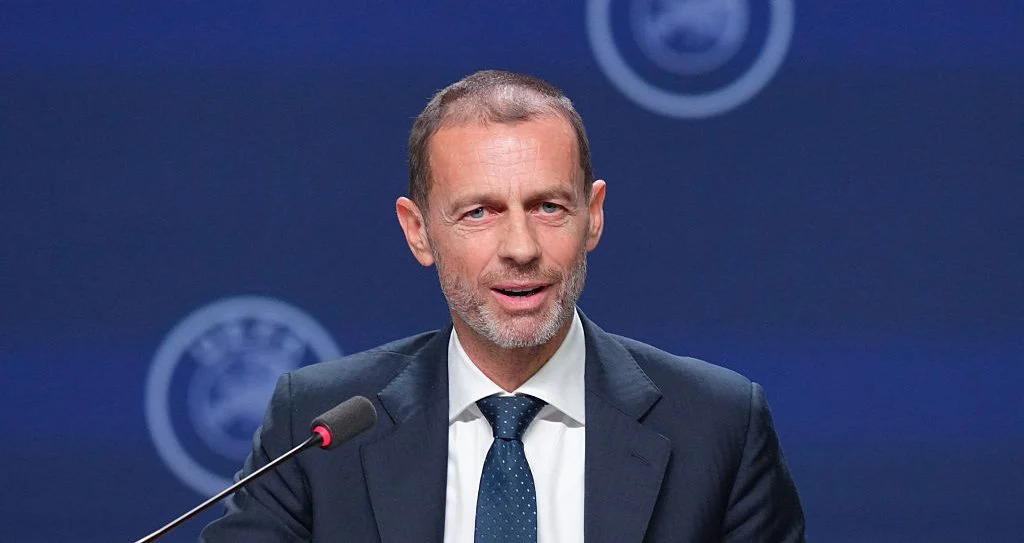
There is great curiosity in Nyon to see the new model in action, with the belief that it will transform national-team pathways that have so far been secondary and redundant. “The new formats will improve competitive balance, reduce the number of matches with nothing at stake, offer fans a more engaging and dynamic competition, while ensuring equal qualification opportunities for all teams without adding further dates to the international calendar,” said Aleksander Ceferin, UEFA’s president. “Overall, these changes will enhance the value of UEFA men’s national-team football.” Hopefully they will also help calm the controversy that emerged during the most recent World Cup qualifiers. But that is another story.