
Inter, Milan, Liverpool and Atlético Madrid are only the most visible examples, but US private equity has become a constant presence in European football.
Funds acquire clubs on behalf of wealthy investors, restructure them, increase valuation over time, and eventually exit through resale. The model has become familiar across top divisions.
More recently, however, the direction of travel appears to be widening. According to The Guardian, several rugby clubs in the UK — alongside their French counterparts, traditionally the sport’s European elite — are now attracting similar interest from major investment groups.
The shift is beginning to show in concrete terms.
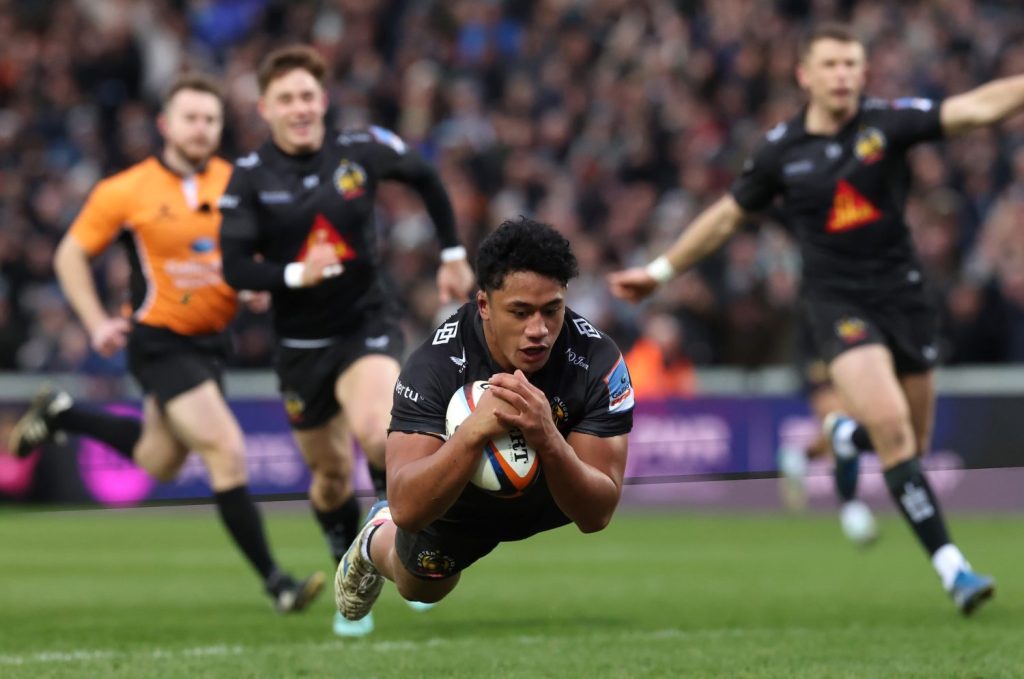
This week, shareholders of Exeter Rugby Club voted in favour of selling the organisation to US-based investors linked to the ownership group of Bournemouth FC, currently in the Premier League. A majority stake will pass to Cannae Holdings Inc, already connected to Black Knight Sports and Entertainment, part of businessman Bill Foley’s wider portfolio. The transaction is expected to bring multi-million-pound investment into Exeter Chiefs.
Exeter, double winners in 2020 of the English Premiership and the European Champions Cup (formerly the Heineken Cup), had remained under English ownership since its foundation in 1871. That continuity now comes to an end following an extraordinary general meeting, where members approved the sale after negotiations led by long-time chairman Tony Rowe with the incoming American partners.
“This is currently only a non-binding expression of interest,” Rowe said. “We hope it will soon become a formal offer so we can begin agreeing the terms of the sale.”
Speaking to The Guardian last month, Rowe described the investors as long-term in outlook. “Whether people like it or not, professional sport now revolves around financial resources. Clubs need capital to survive. All the conditions are there to take English rugby to another level financially.”
Rob Baxter, Exeter’s director of rugby, also welcomed the change in ownership. “I am confident this is the right direction for the club,” he said. “It will allow us to continue growing and maintaining an ambitious mindset. Premiership clubs are now effectively businesses.”
Elsewhere, the Cornish Pirates have become the first English club in the Championship to secure a significant US investment deal, announcing a partnership with Pittsburgh-based private equity firm Stonewood Capital aimed at supporting long-term development.
The flow of capital has not stopped there.
Red Bull has acquired a majority stake in Newcastle Falcons, who are set to be rebranded as Newcastle Red Bulls. Sir James Dyson has taken a 50% share in Bath. Northampton Saints have brought in Steve Zander, an international asset management executive, as a minority investor.
A pattern is emerging across the league structure.
And it is only just beginning.