
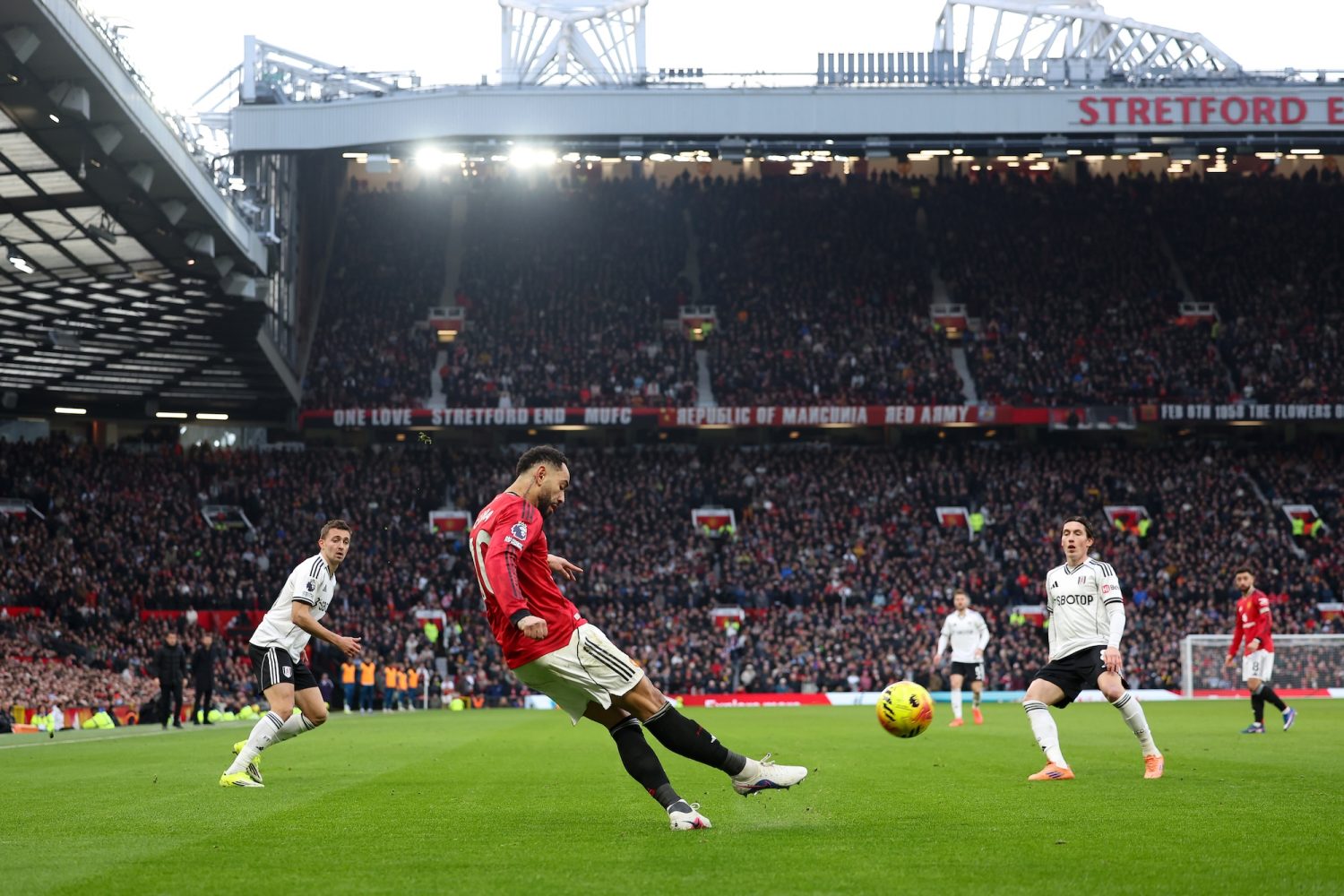
It is the Super League in effect, projected towards another footballing universe compared to the rest of the world. And of Europe, in particular: the Premier League by now is a national affair. In the sense that, for the twenty participants and above all for the top clubs, it is becoming ever more convenient and profitable to buy and sell players within their own championship. A clear trend, at times new, observable from Manchester to London. And one that will soon change the dynamics of the transfer market as we know it — indeed, in part it has already done so.
A brief overview is enough to realise the phenomenon. Manchester United, to secure the services of players coming from the Premier League, has shelled out more money this season — almost 150 million euros, between Bryan Mbeumo and Matheus Cunha — than in the five previous ones. Same story for their City cousins, with over 160 million allocated on the market for Semenyo, Guéhi, Trafford and Aït-Nouri — all of whom, as you will have understood, arrived from other English teams. An analogous trend for Liverpool, Chelsea, Newcastle and Arsenal, with the Gunners tracing the way throughout the Arteta era: from Madueke to Norgaard, the current league leaders have built their technical strength mainly thanks to “home” reinforcements (above all former Chelsea players).
In short, seeking the big-money signing abroad represents a gamble that is not very appealing today. As The Telegraph recounts, it is a rather recent dynamic but already just as deeply rooted. In 2019/2020, the combined spending within the Premier League by the aforementioned Big Six (Liverpool, Manchester United, Arsenal, Manchester City, Chelsea, Tottenham) amounted to not even ten million euros. And among the other clubs too a progressive propensity towards the domestic market has been registered: six years ago, only 14% of the total spending for the transfer campaign was concentrated on players already playing in the Premier League; in the last three years, that share has soared to 35. And it continues to rise.
How to explain this market upheaval? A question of the safe used bet: many clubs have noticed that the capacity of new players to adapt within the English championship requires ever more patience and a long-term horizon. And those who had dreamed of the gem from continental Europe, very often were left disappointed. Above all Manchester United, naturally: another 100 million shelled out for the Antony of the moment, they make clear in the parts around Old Trafford, will no longer be invested. In the end it is also a natural realisation. Because the financial gap between the Premier League and the rest of Europe is by now abyssal: just this year, the spending on transfers borne by the top twenty English clubs is equal to that of the Bundesliga, Serie A, Liga and Ligue 1. Put together.
It happens then that the balances shift, that the roles are rewritten. So those who come knocking on the door of the Italian or the Spanish clubs, as a rule, will no longer be Chelsea or Manchester City. But perhaps Nottingham, Brighton or Bournemouth: in short, the medium-small clubs that will take on the risk — enticed by the potential capital gains — of picking up the best players of the other European championships and trying to adapt them to the intensity and the specificities of the English one. Thus acting as an intermediary between the continental top clubs and the Premier League ones. That is between the past and the future of football. Better to get used to it.