
If you are feeling nostalgic for those old-school presidents who changed managers as often as their socks, you might want to turn your attention toward the Premier League.
The era defined by the immovable tenures of Sir Alex Ferguson or Arsène Wenger feels like a distant memory. The latest case involves the swift dismissal of Liam Rosenior—who, during his brief stint in the Chelsea dugout, broke several negative records, including five consecutive defeats without scoring a single goal. While Chelsea is proving to be a disoriented “managerial laboratory,” by current Premier League standards, they are hardly an anomaly.
In fact, England has never seen as many sackings as it has this season. The blame lies with the ever-increasing stakes—particularly the economic ones—and the financial pressures tied to unexpected poor performances.
A Steep Decline in Longevity
The numbers tell a stark story. Since the start of the 2025/26 season, as reported by the Financial Times, there have already been 9 managerial changes across the 20 teams. On average, these managers lasted fewer than a year in charge: just 295 days.
This is the lowest figure since the Premier League’s inception. Over the course of 34 seasons, the data shows a steady decline:
-
1995: With only one sacking, a manager stayed in their post for an average of nearly 1,400 days.
-
2000–2020: The average stabilized between 500 and 1,000 days.
-
Recent Years: A total collapse in longevity, signaling extreme impatience and short-term demands.
The Cost of Failed Planning
Just ask Chelsea, who had to deal with the dismissals of both Enzo Maresca and Liam Rosenior within a few months, nearly risking exclusion from European competitions. Manchester United also has much to say on the matter; they have burned through an endless list of managers in recent years, scrapping technical projects and wasting resources—though sometimes, a change pays off. Look at Michael Carrick, who took over the Red Devils in the autumn and is now leading them back toward the Champions League spots.
We are also seeing record-breaking “short” stints:
-
Ange Postecoglou lasted only 39 days at Nottingham Forest (though the board might argue the quick pivot was justified by subsequent results).
-
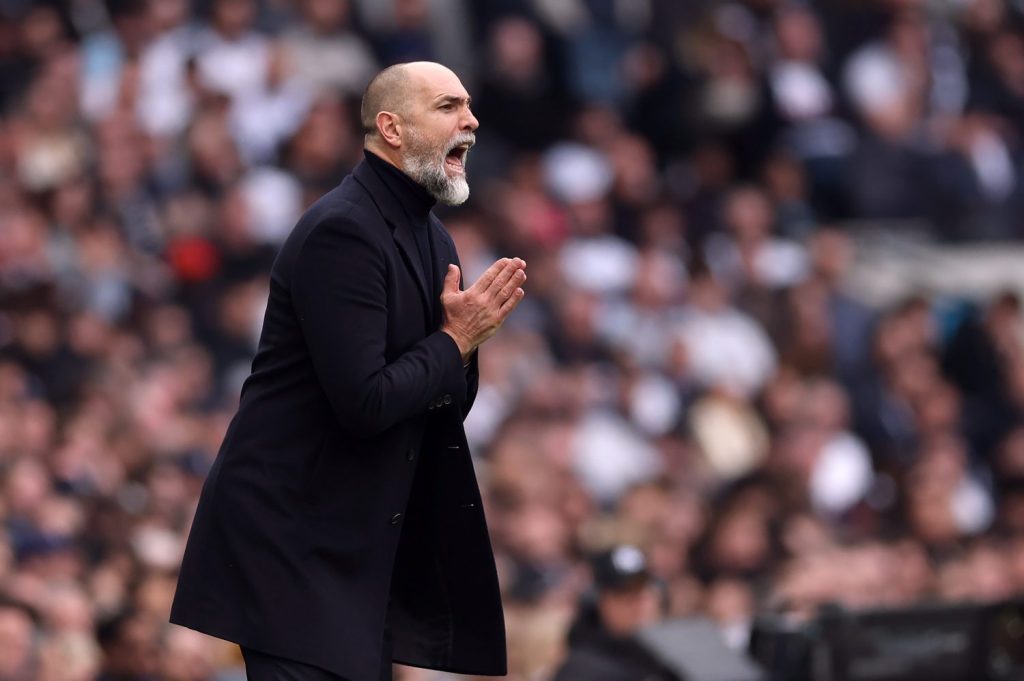
Igor Tudor managed just 44 days at Tottenham.
Just enough time to realize things weren’t clicking before packing their bags.
“Win Now or There’s the Door”
If you miss the histrionic decisions of old Serie A legends like Zamparini, Gaucci, Preziosi, or Cellino—the quintessential “manager-eaters”—you must now look to England.
Where long-term cycles once dominated—Ferguson’s United, Wenger’s Arsenal, or David Moyes’ first stint at Everton (who, incidentally, returned to the Toffees’ helm this year)—today’s owners, often foreign investors, have zero patience. They pay a premium and demand immediate returns.
The turnover is simply too massive to wait for a “project” or to give a manager the time needed to forge team chemistry. The mandate is clear: Win immediately, or there is the door. That is the new Premier League.