
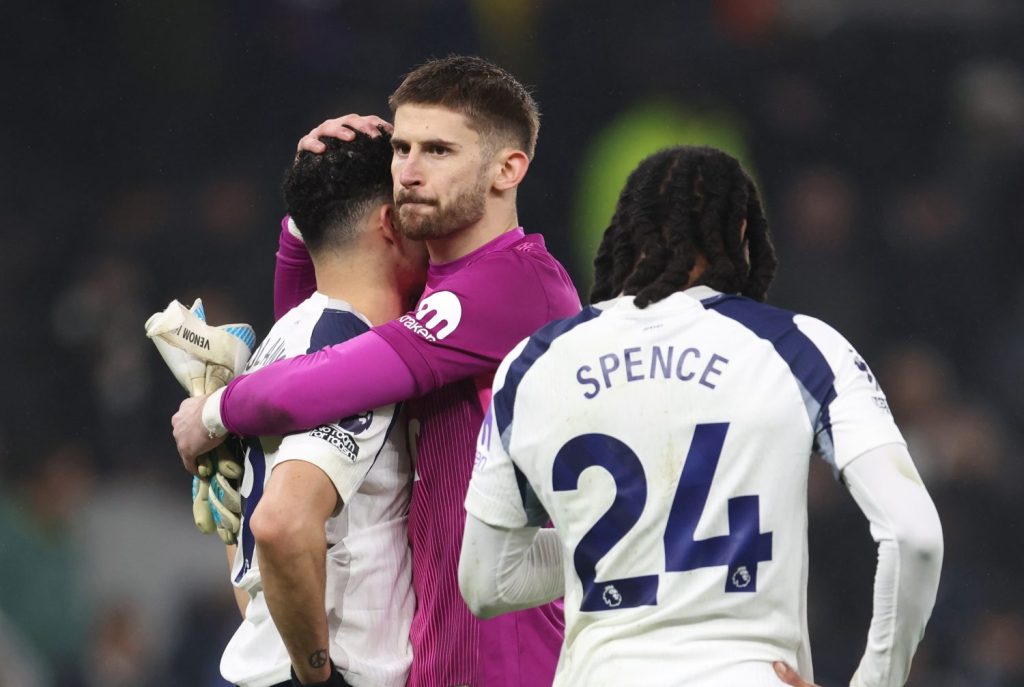
Ryan Norys, Tottenham’s Chief Revenue Officer, was scheduled to speak before America’s business elite last month in Austin, Texas, at South by Southwest. However, the session on English football-style business was cancelled at the last minute. The reason? Nearly 8,000 kilometers away, Spurs had just been dismantled 5-2 by Atlético Madrid, effectively exiting the lucrative Champions League while teetering on the edge of the Premier League relegation zone.
Things have not improved; if anything, they have worsened. Roberto De Zerbi’s side is currently in eighteenth place, trailing sixteenth-placed West Ham by two points, facing a very real threat of dropping into the Championship. Should things fail to improve, it would represent a seismic shock for global football and the markets alike.
Tottenham has established itself over recent seasons as one of the most solid entities in the football business. Revenues tripled to exceed €650 million, driven by on-field results and a €1 billion stadium that hosts Beyoncé concerts, NFL games, and even go-kart racing. Given this status, relegation would be a devastating blow to the credibility of the football industry as a sector for profitable investment. Looking at brand values, it would cause a total loss of €1.73 billion.
“It’s as if a state contractor lost a major infrastructure project,” analyst François Godard explained to The Times.
According to Ampere Sports, revenues could plummet by approximately €311 million, while the club’s valuation—which once neared €4 billion—would face a drastic downsizing. These difficulties did not appear out of thin air. A segment of the fanbase accuses the board of prioritizing real estate development and global branding at the expense of sporting results. Further criticism targets the high turnover of managers and ticket prices that remain among the highest in the league.
For years, the key figures were billionaire Joe Lewis and his long-time associate Daniel Levy. Under their management, Tottenham was long considered one of the best-run clubs in Europe, culminating in 2019 with the opening of the new stadium and a Champions League final appearance under Mauricio Pochettino, featuring stars like Harry Kane and Son Heung-min. Since then, however, the decline began. Pochettino was sacked a few months later, ushering in a phase of technical instability and ineffective transfer market decisions. Even the Europa League success a year ago, which ended a nearly twenty-year trophy drought, failed to reverse the trend.
The board has now acknowledged its mistakes: real estate projects have been suspended, promises of increased investment in wages have been made, and new strategies for transfers, injury management, and the youth academy have been launched. However, for many fans, these interventions come too late. And it’s not just London fans who are concerned: a sporting collapse like a Spurs relegation would challenge the perceived stability of elite European clubs, making them less attractive to investors.
This is a particularly sensitive issue for the American market, where the concept of relegation does not exist. “US investors hate relegation,” Godard emphasized. The risk that even established clubs could plummet could radically change how European football is valued on a financial level.